Hello everyone! I know I have taken too long to make this blog post, but it’s been a whirlwind month and a half. I spent two additional weeks with my CBT family, passed all my Peace Corps training exams, swore-in as an official volunteer, and have spent three weeks at my permanent site.
As I said in an earlier blog post, I will do a blog post specifically on Senegalese families later, so I will touch more on my CBT family and permanent family then. For now, I will discuss installation and getting to site.
The week leading up to installation is chaos. Trainees take several exams for technical, medical, safety and security, policy, and—most stressfully—language proficiency. The days before the language exam involve hours of studying and panic from many, and it’s all for a 15 to 30 minute oral conversation. We take the exam only two days before the swear-in ceremony. The day after the exam there is a large reception for all of the CBT families with performances, speeches, and food. This also happens to be Thanksgiving, which we celebrated the night after the language proficiency exam, and some volunteers made a Thanksgiving feast (as much as one can in Senegal). Finally, there is swear-in day.
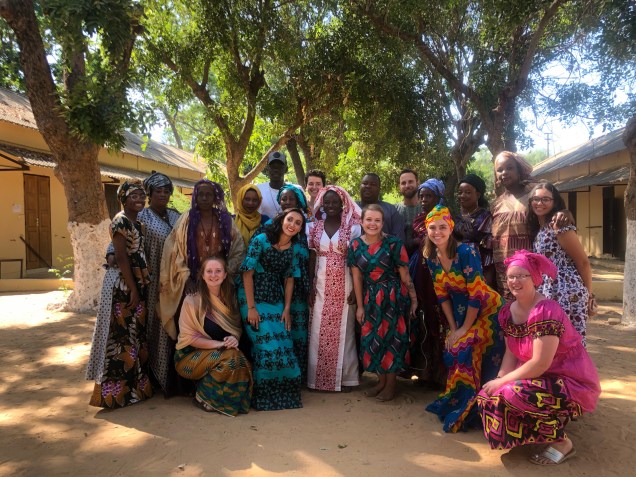
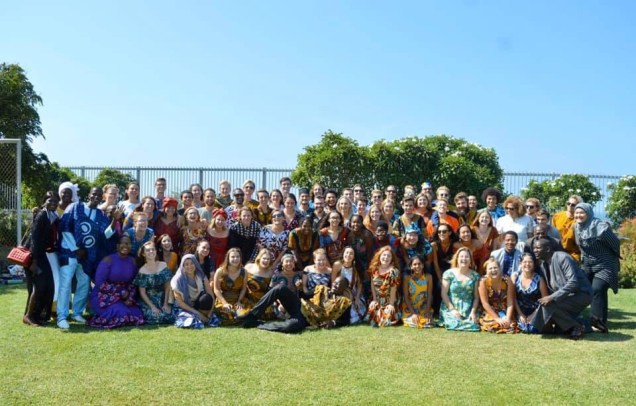
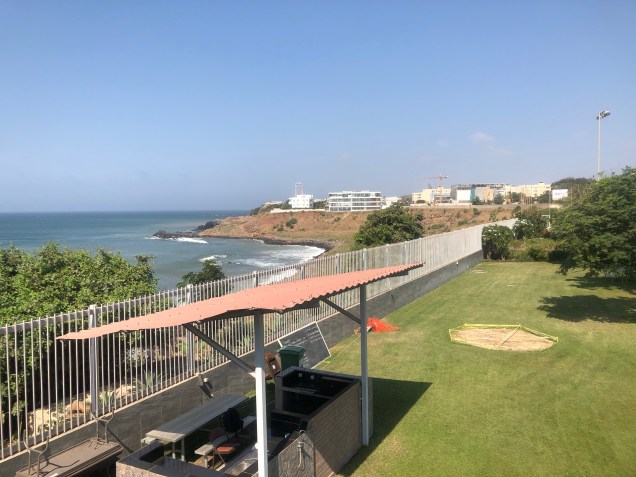
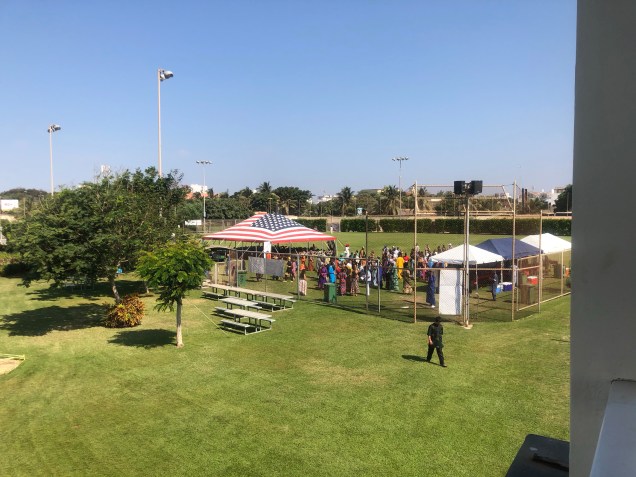
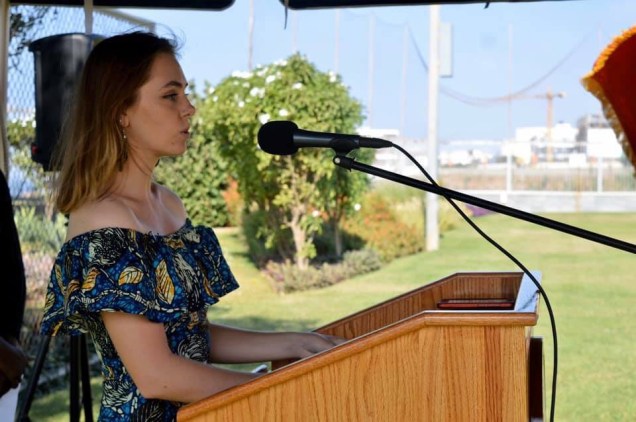
Peace Corps packs us all into megabuses at sunrise to head into Dakar. We go to a large field right on the ocean. The ceremony itself is only around a hour, which feels so short after ten weeks of training and anticipation. A variety of dignitaries give speeches from the Peace Corps, US Embassy, and the Senegalese government. But also one person from each language group—Wolof, Pulaar, Mandinka, and Serere—gives a speech in their local language. I was honored to give the speech for the Pulaar language group. At the end of the blog post, I will provide the transcripts of my speech both in Pulaar and English. After the ceremony, we eat tables worth of snacks and took pictures with the ocean background.
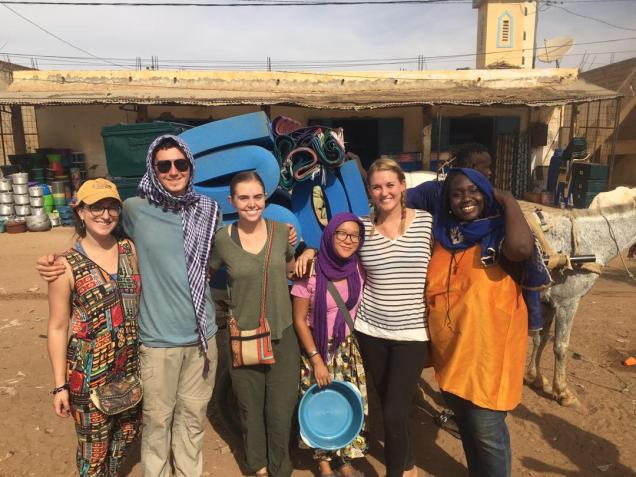
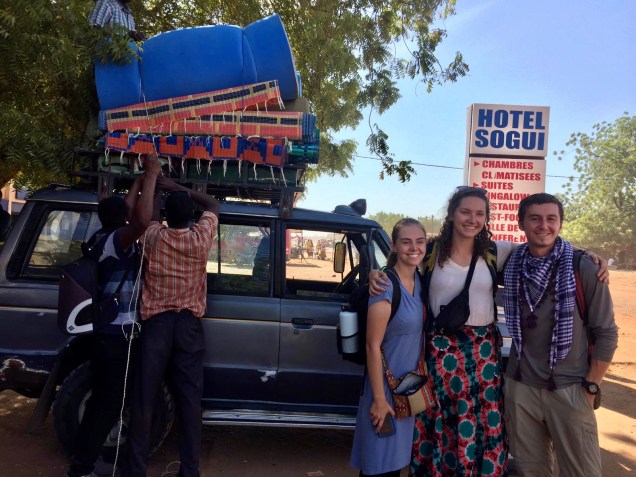
After the ceremony, it was back to the training center in Thies and a final night for celebration. All of those sworn-in left early the next morning for our regional cities. We then spent three days there buying everything we might need for our rooms, like mattresses, trunks, paint, buckets, and more. Peace Corps allocates a specific stipend for purchasing these things, and usually volunteers throughout the region meet us in the city to help us purchase items and then move them. Then it’s onto our permanent sites for two years!
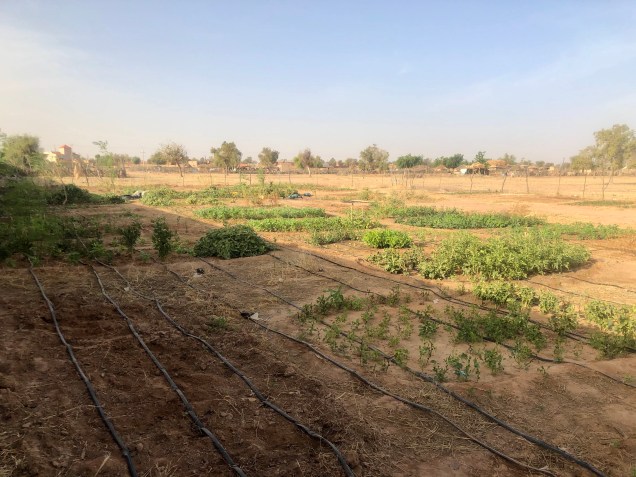
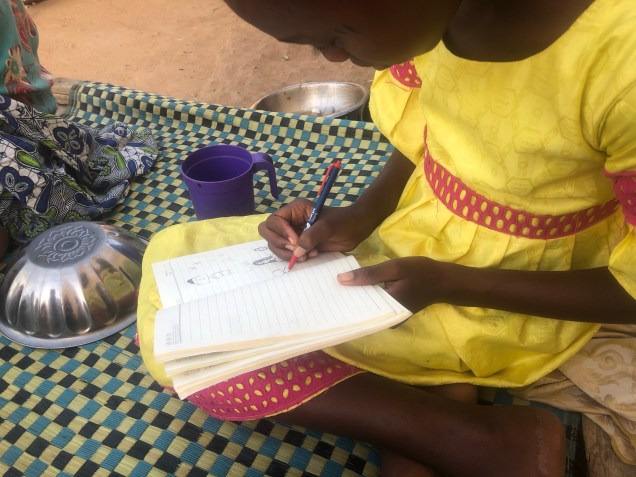
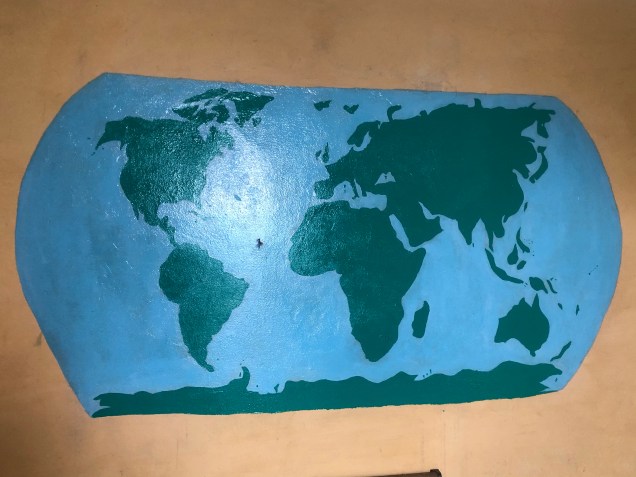
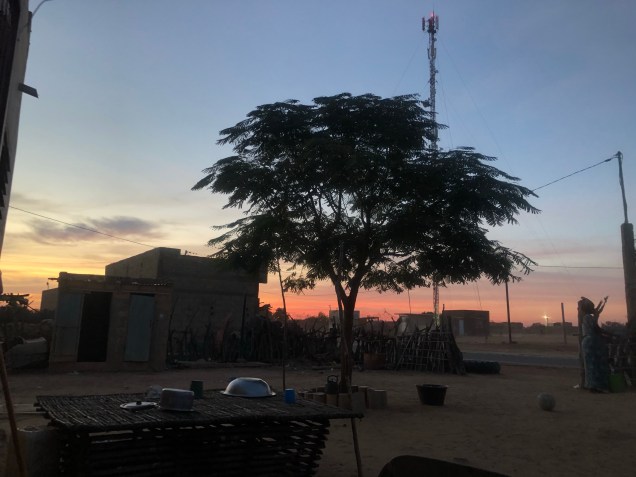
The past few weeks at site have been slow but good. I’ve primarily met with various government officials, seen a couple gardens, and spent a lot of time with my family. I painted a world map in my room, which I’ve used to teach some of my family geography. I’ve also pulled out the SkyView app on my phone and discussed astronomy with my family as we look at the stars some nights. It has been wonderful but not without its challenges. As it to be expected and normal during service, I came down with a stomach bug, so I was incapacitated for a few days. But I have focused on expanding my Pulaar vocabulary and learning. For now, there is not much to report on, but I will have a lot to discuss in the many coming months. Haa gonngal!
Swear-in Speech
Pulaar:
Bismillah mon! Baandilraaɓe, sehilaaɓe, mi salmini gooto fof e innde mum e yettoode mum. Mi salmini jooɗanido do laamu Senegal. Mi salmini jooɗanido do laamu Amerik. Mi salmini mawɗo Corps de la Paix Cheryl Faye. Mi salmini wolunteeruji di.
Mbiyete mi ko Emily Ruhm e Amerik e Fati Sara Ja e Senegal. Mi hoɗat Ranerou. Ko mi wolunteer Corps de la Paix ndemateru.
Miin a wolunteeruuji njanngii Pulaar ngam leɓɓi ɗiɗi. Kadi Corps de la Paix jannginii min ko faate ndema e taariinde. Min parii ngam feccude ngal gandal e gure amen sabu Fulɓe mbii, “Ko gooto waawi fof, sappo ɓuuri.” Hamin njogi ko heewi ko min poti janngude. Kono mɓiɗo welti e koye amen.
Min gari Senegal jooni waɗi leɓɓi ɗiɗi e hamin mbaawi haalde Pulaar, Jolfe, Serere, Jahanke, e Mandinka (seeda, seeda). Maa min njah gure amen to min koɗata, liggoto, daanoto, e ngandata yimɓe woɗbe.
Webataa. Sikke alaa, maa min dañ caɗeele kono min pellitat (Inshallah). Min njanngat ko faate demde e piinal Senegal e kadi min njannginat ko faate piinal Amerik.
Min ngetoto safrude soklaaji gure amen. Maa min liggodo e reube, worbe, e sukaabe. Hamin keppi janngude, jannginde, e liggodaade e Senegalnaaɓe ɓe. Mɓiɗo heppi yihde ko min mbaawi waɗde ko fof.
Sakket, Pulaar wii, “So liingu ñaamii njumri yo yettu Allah e lawƴooɓe.” Ndeen non, hamin njetta jannginooɓe amen demde e kalla liggotooɓe Corps de la Paix fof. Onjaaraama jannginooɓe amen e yimbe fof.
English:
Welcome! Family, friends, I will greet everyone first. I welcome the representative of the Senegalese government. I welcome the representative of the American government. I welcome the head of Peace Corps Cheryl Faye. I welcome the volunteers.
My name is Emily Ruhm in America and Fati Sara Ja in Senegal. I will live in Ranerou. I am an urban agriculture Peace Corps volunteer.
The volunteers and I have studied Pulaar for two months. Also, Peace Corps has taught us about agriculture and environment. We are ready to share this knowledge with our villages because the Pulaar people say, “What one can do, ten do better.” We have a lot to learn. But I am proud of us.
We came to Senegal two months ago and now we can speak Pulaar, Wolof, Jahanke, and Mandinka (a little). We are going to our villages where we will live, work, sleep, and meet new people.
It won’t be easy. We will have problems but we become stronger (Inshallah). We will learn about Senegalese language and culture, and also we will teach about American culture.
We will try to address our villages’ needs. We will work with women, men, and children. We are excited to learn, teach, and work with the Senegalese. I am excited to see all that we can do.
Last, Pulaar says, “If a fish eats honey, it has to thank Allah and dishwashers.” With this, we thank our language teachers and all of the Peace Corps staff. Thank you to our teachers and everyone.
 Rainbow Sandals in Senegal