Hello everyone! It’s time for my monthly update! I continue to work on my language and integrating into my community. An unfortunate amount of time at site has been spent at my home because of various illnesses as my body adjusts to new bacteria and living conditions. But I have been trying to go out in the community when I can.
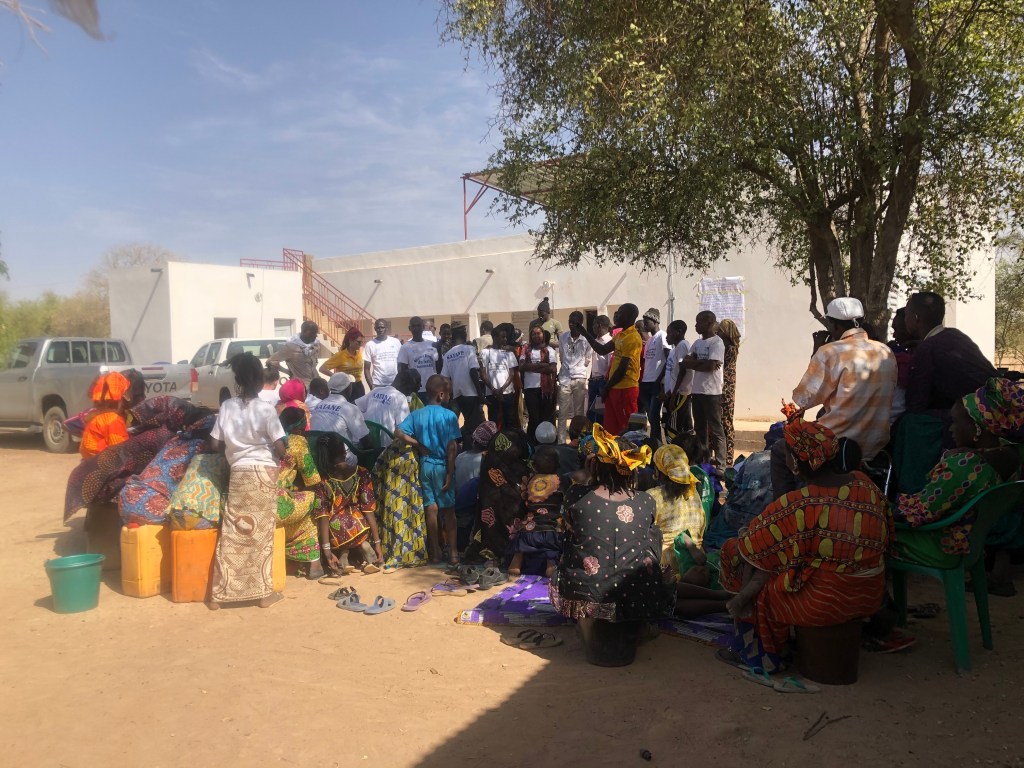
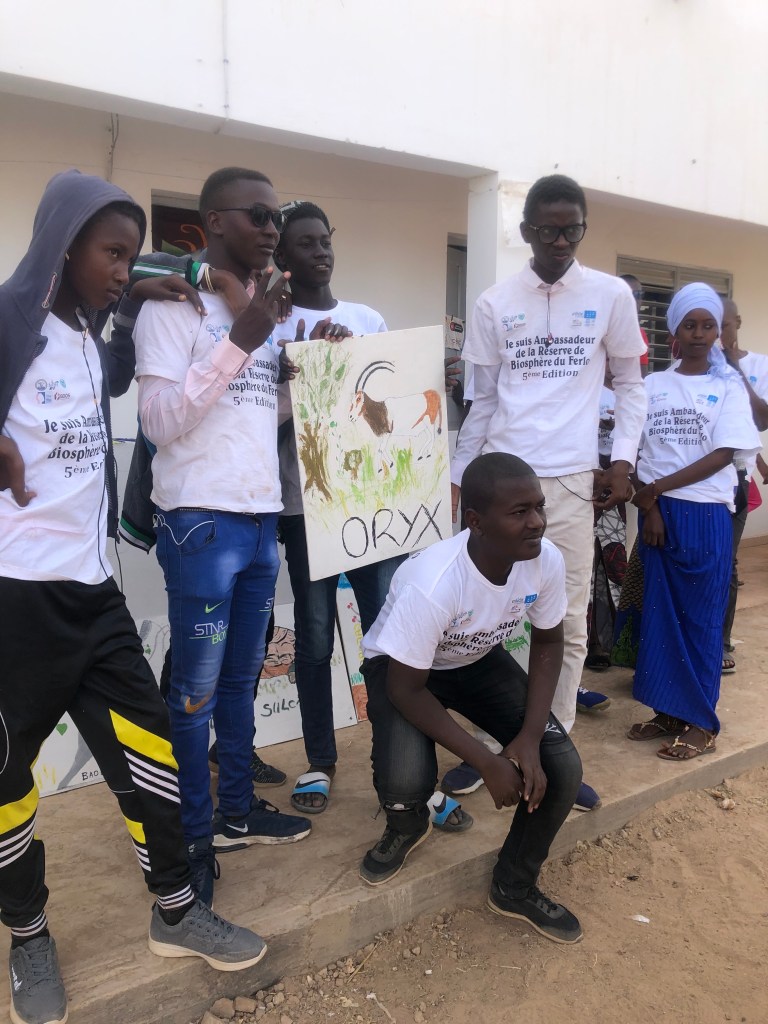
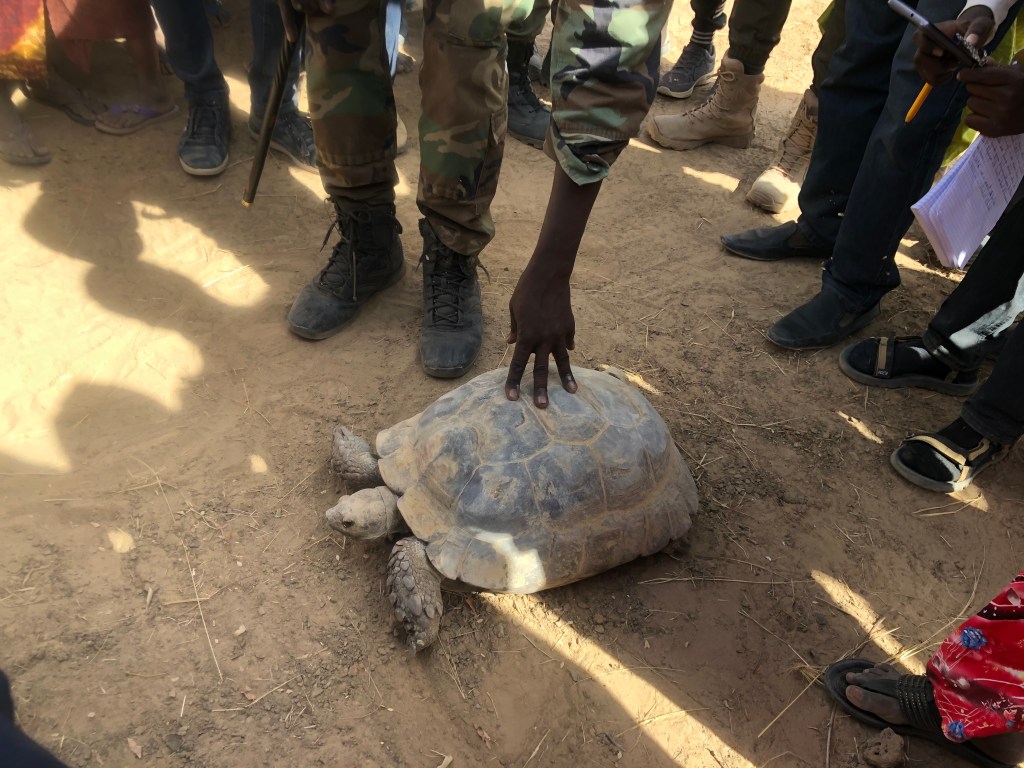
Right before the New Year, I was lucky enough to join a camp being held in the wildlife park located within the nature reserve that my town is in. About 20 high schoolers from nearby villages were invited to participate in five days of activities focused on environmental education and learning more about the wildlife park and its inhabitants. For the last night, the students spent the night within the park, and then for the last day, local officials visited where the students were. The students presented what they learned about each of the species located in the park, which was followed-up with a presentation on what the students committed to in preserving the local environment. It was amazing to see young people understanding the importance of the environment and taking initiative.
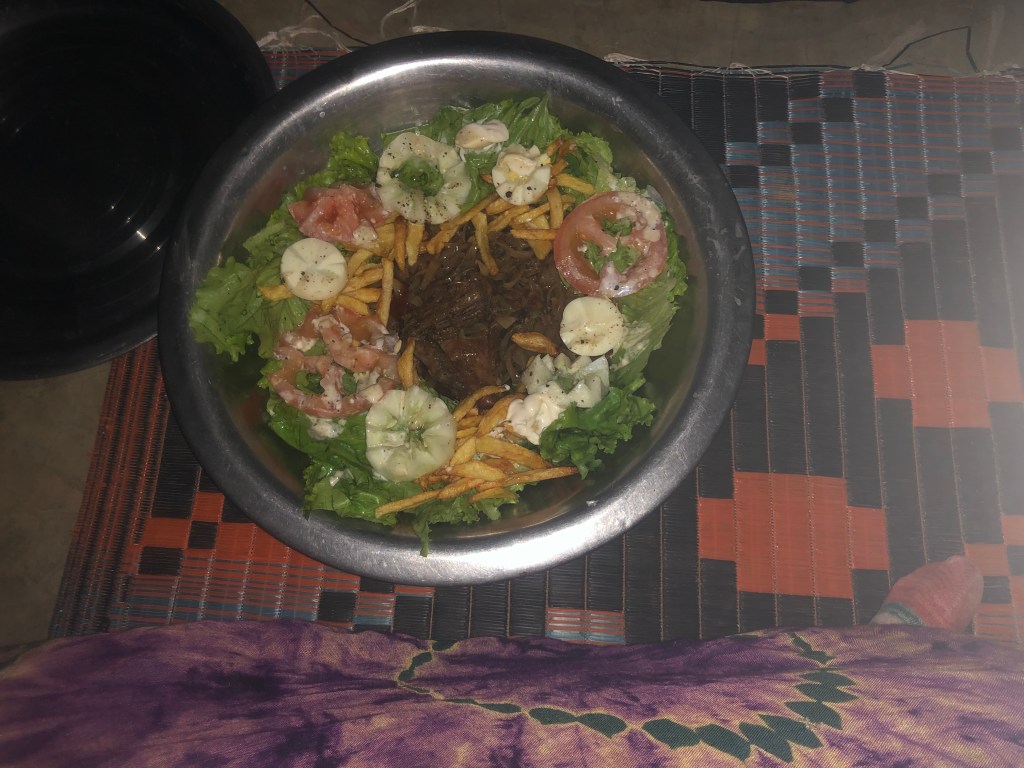
For New Years, I was invited to my site mate’s house for dinner. I was treated to a “luxury” dinner of salad–made with chicken, onion sauce, tomato, cucumber, French fries, and mayo. This was followed with a movie night and some Kraft mac and cheese. You could hear a few faint yells in the background as the clock struck midnight and that was the climax of the evening.
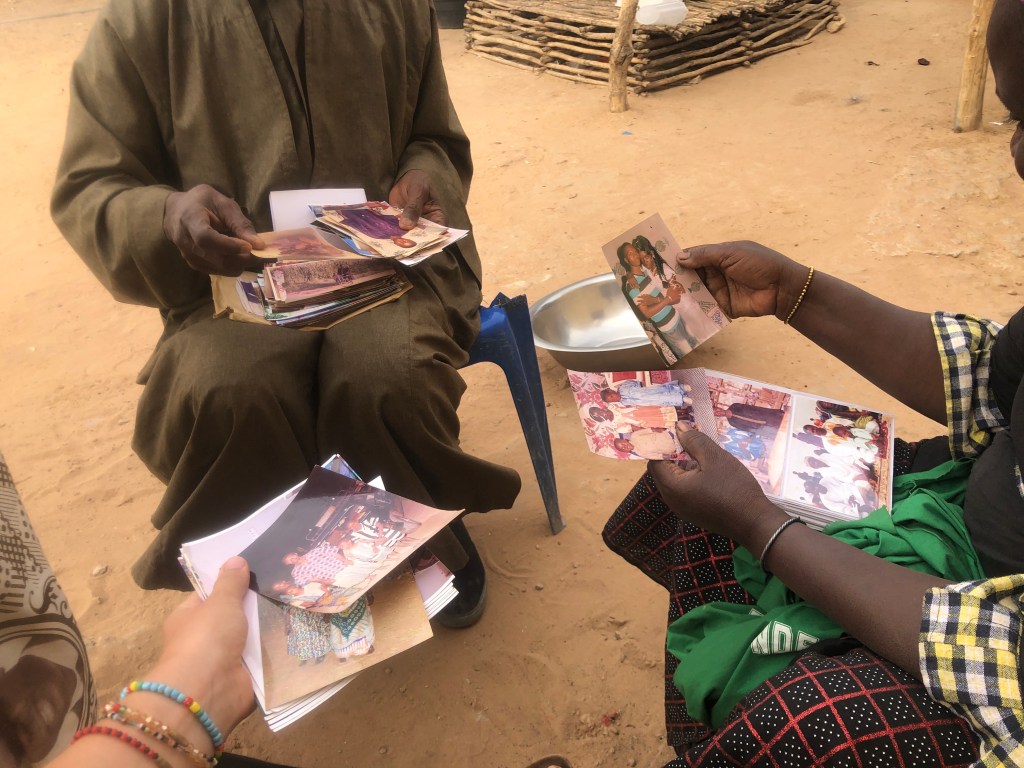
One of my favorite memories in the new year is my family pulled out a large collection of photos and photo albums, showing pictures from when my dad, one of my moms, and my oldest siblings were much younger. They also had pictures from previous volunteers, including the wedding of their first volunteer after she left Senegal. We sipped tea and laughed at their old memories, while one of my moms–Fati–did prep for dinner that night.
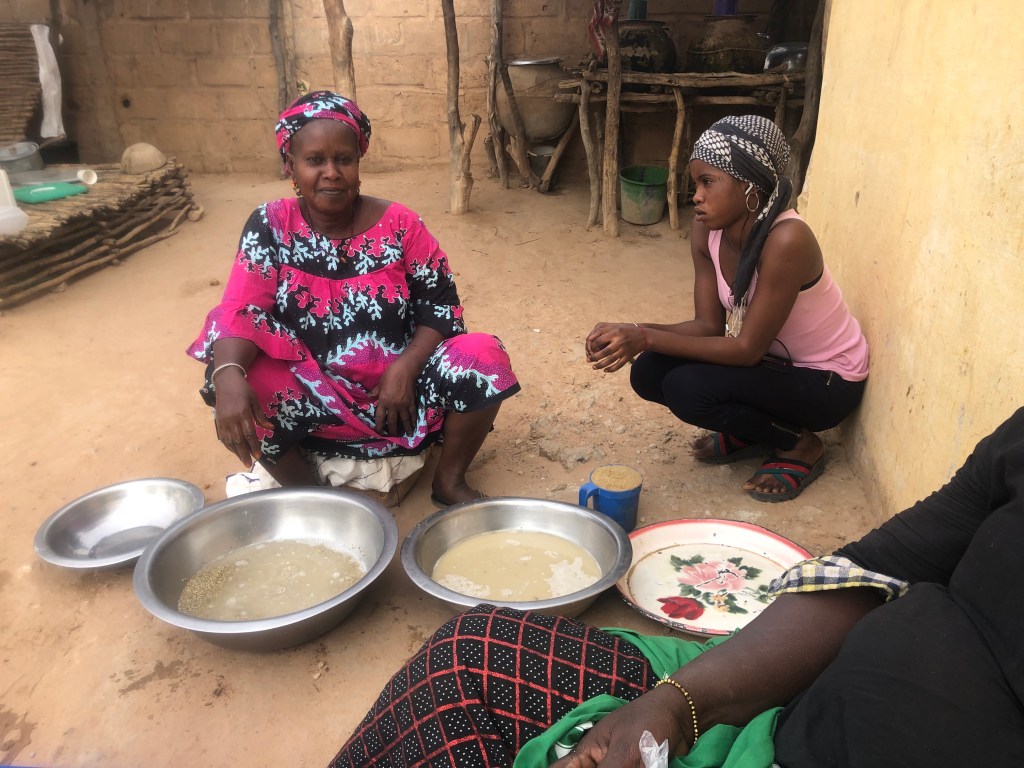
More recently, I went to Ourossogui for language seminar, which is four days of language classes held at one of my stage mate’s homes. The language seminar is structured around what us volunteers prioritize, which for us spanned from descriptives to verb extensions to conditional statements. It was an exhausting few days filled with great food, lots of English speaking, and an overwhelming but helpful amount of Pulaar learning.
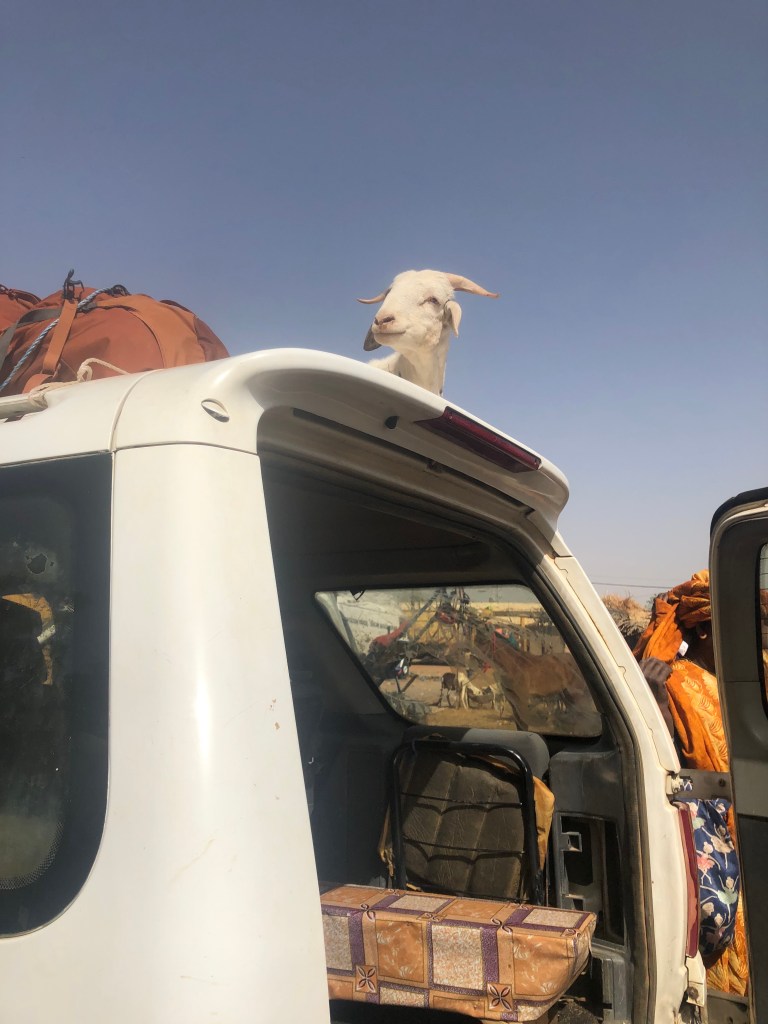
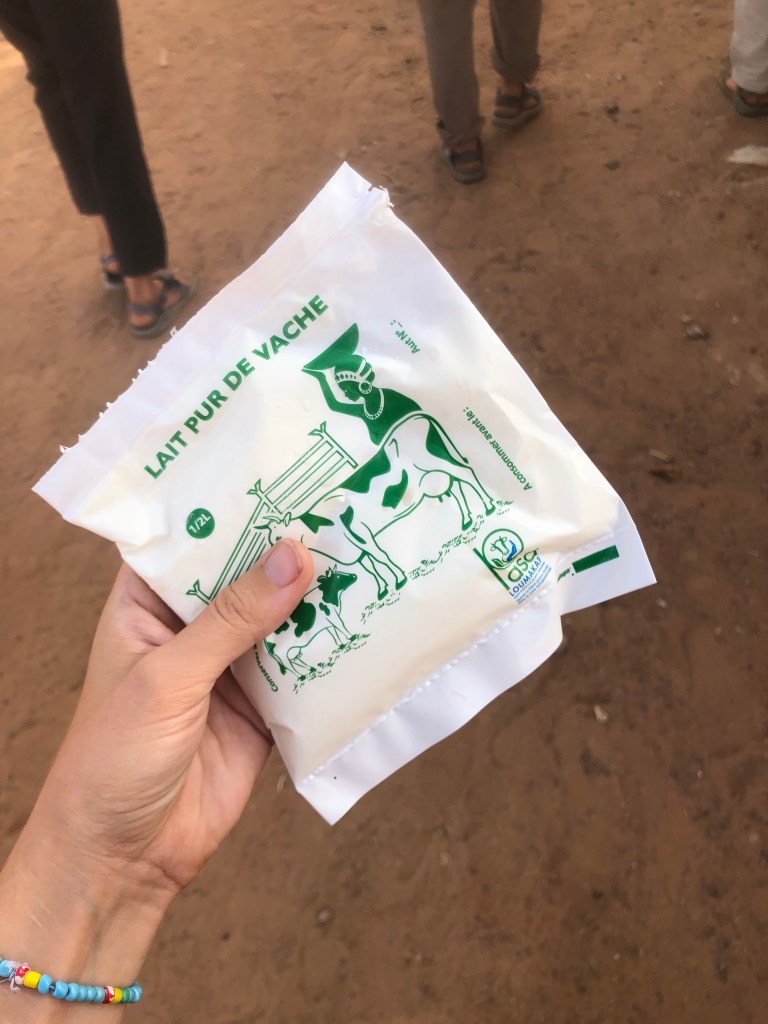
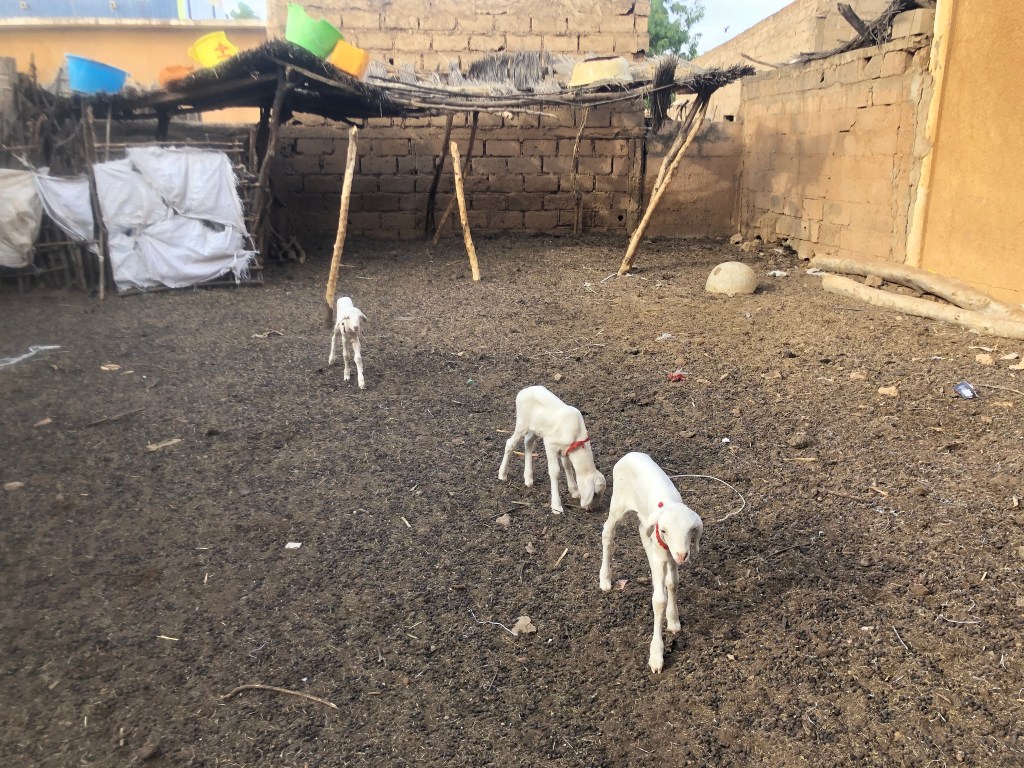
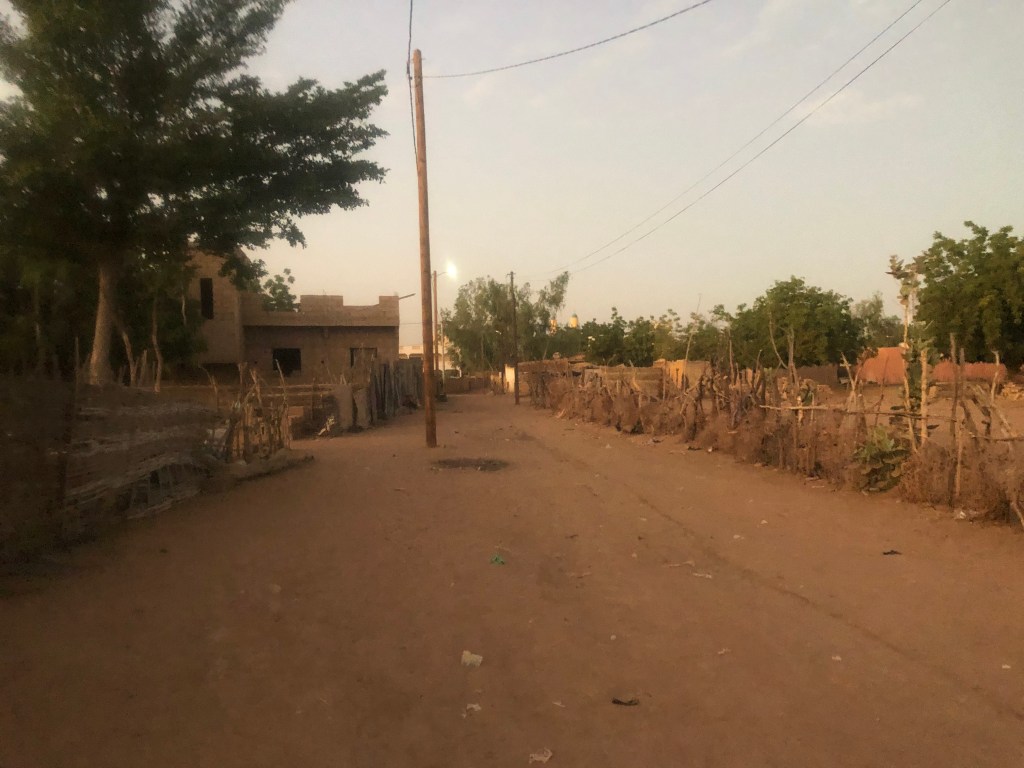
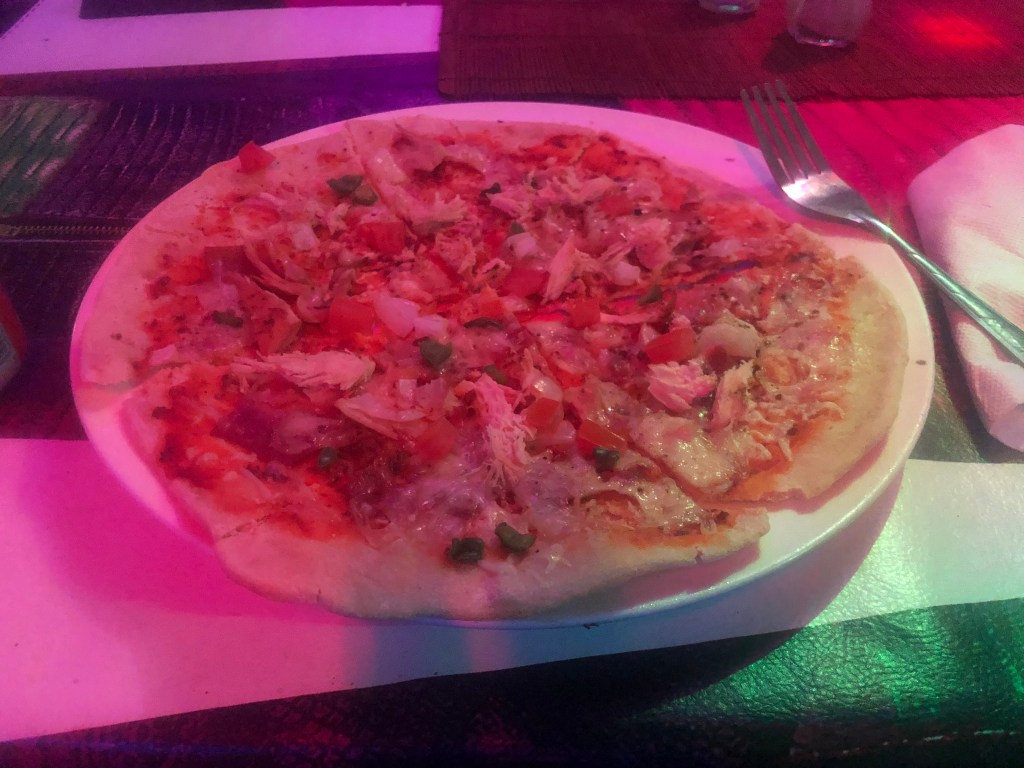
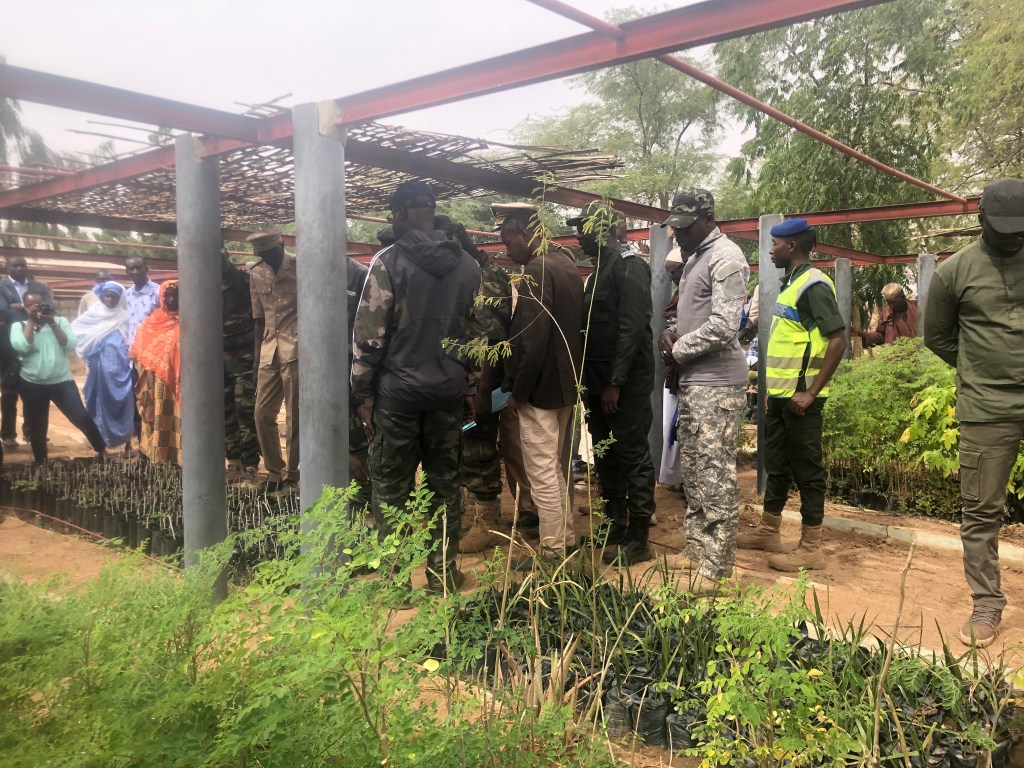
After, I returned to Ranerou from language seminar. I got to work completing several surveys for Peace Corps in preparation for Inter-Service Training (IST). On one of those days, the Senegalese Minister of Environment visited Ranerou where the students from the camp I mentioned before presented on their conservation pledges and local officials talked about their work.
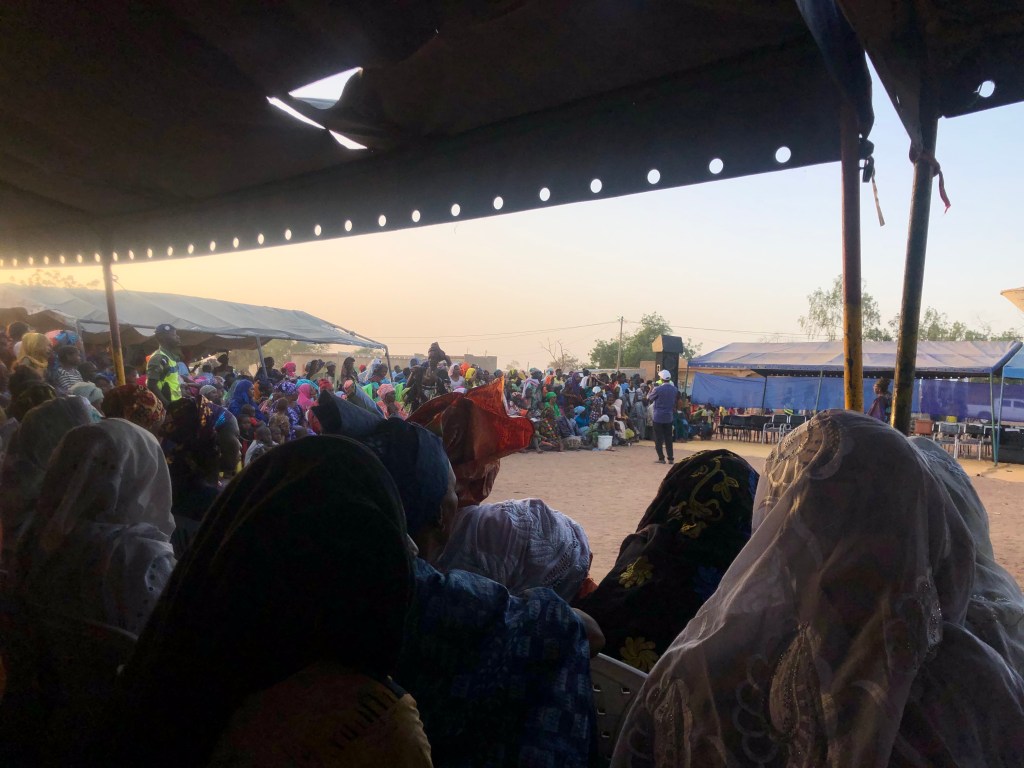
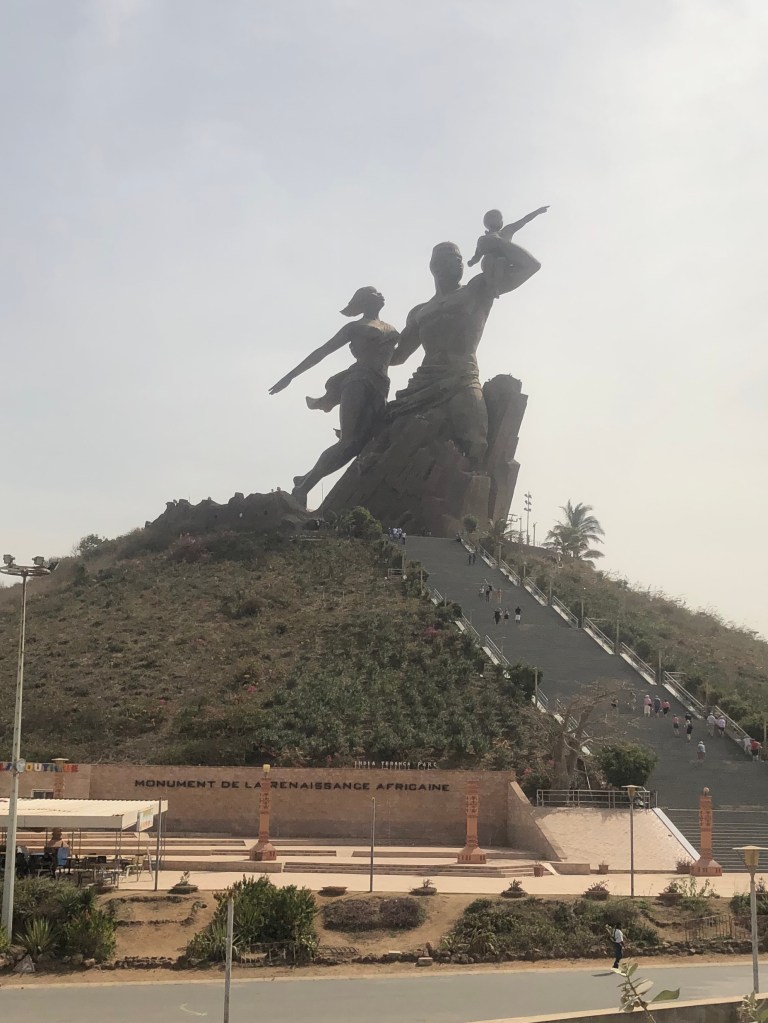
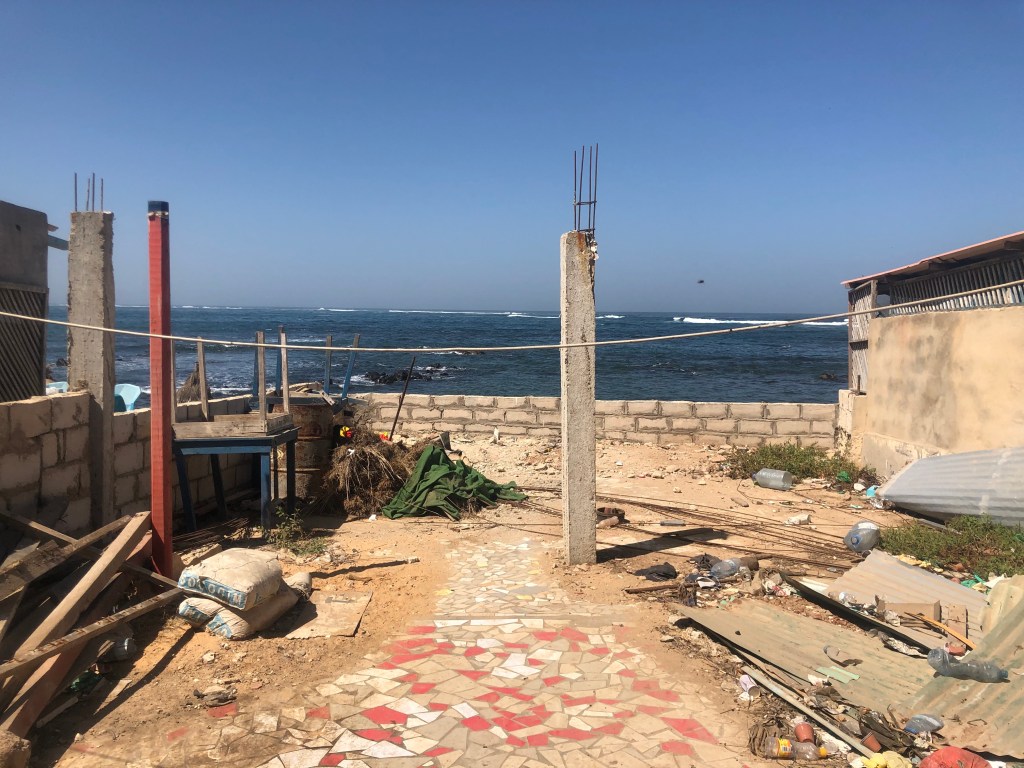
A couple days later, the Senegalese Minister of Women and Children visited Ranerou, and the town held a massive party for her. There were tents, music, and dancing. Several officials were presented and gave speeches. Afterwards, the Ministry provided supplies, such as lesos, buckets, and food, to women’s groups. The next day I departed to Dakar for some medical appointments and transiting to Thies for IST. I indulged in amazing food, coastal views, and time with friends.
Now, I am heading to IST and look forward to another update in a month! I will try to include a cultural corner in every one of my updates from now on. Enjoy!
Cultural Corner
I wanted to start doing more blog posts about cultural aspects, but in all honesty, there is still so much for me to learn. I promise in the future there will be more in-depth ones. But, for now, we will begin with a little bit of information about names in the Pulaar ethnic group. There are three major sources for names: the Quran, one’s position within the house, and being named after someone else.
Whoever you are named after or shares the same name as you is your tokara, which I’ve mentioned in previous posts. Sometimes, complete strangers–upon hearing your name for the first time–will call themselves your tokara, which is normal and acceptable! You can even just call for people by saying tokara instead of their name.
Last names are as equally important as well for relationship-building and connections with others. In Senegal, there is a culture of “joking cousins,” which means that anytime you meet someone who is your joking cousin it is expected you will make fun of them. A big go-to joke is calling people beaneaters. Sometimes it can be as straight-up as saying someone eats a lot of beans to very complex jokes that involve fake-cooking beans and offering giant bags of fictional beans. Other people will say you don’t have a last name or it is a bad last name. One of the girls in my region had a guy tell her she was such a bean eater that her mother breastfed her beans as a baby. As I am a Jia, if I meet a So, it is expected that we make fun of each other. Other examples include Diallo’s and Kan’s joke with Ba’s.
Additionally, in Pulaar culture, even though its faded somewhat in present-day, there is a caste system. Last names are additionally associated with their caste. Ba’s are at the bottom as herders, while Kan’s are at the top as kings. There are other castes, such as warriors, religious leaders, and teachers. But, as my Pulaar teacher says, things are changing in Senegal and increasingly so with increased movement, the diaspora, and technology.
 Rainbow Sandals in Senegal