Hello everyone! As many people know by now, Peace Corps was evacuated and suspended worldwide. My service was officially closed on March 20, 2020 (about 20 months earlier than expected). To say that my service was cut short would be a bit of an understatement.
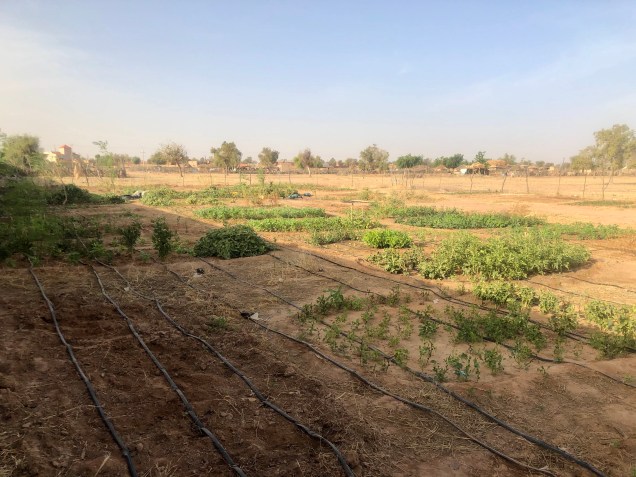
I had only been back at site for a month since the completion of my In-Service Training (IST). I had planned my first large-scale training for March 26. I had just established the groundwork to start two new gardens in my community over the next six months–one at the local middle school and one with a women’s group. I had also begun discussions with the local middle school for a girls’ scholarship program I was going to apply for for the upcoming school year. I had several cultural topics outlined that I wanted to discuss on this blog over coming months, including events and ceremonies, food, religion, the different Senegalese ethnic groups and languages, and clothes and beauty standards.
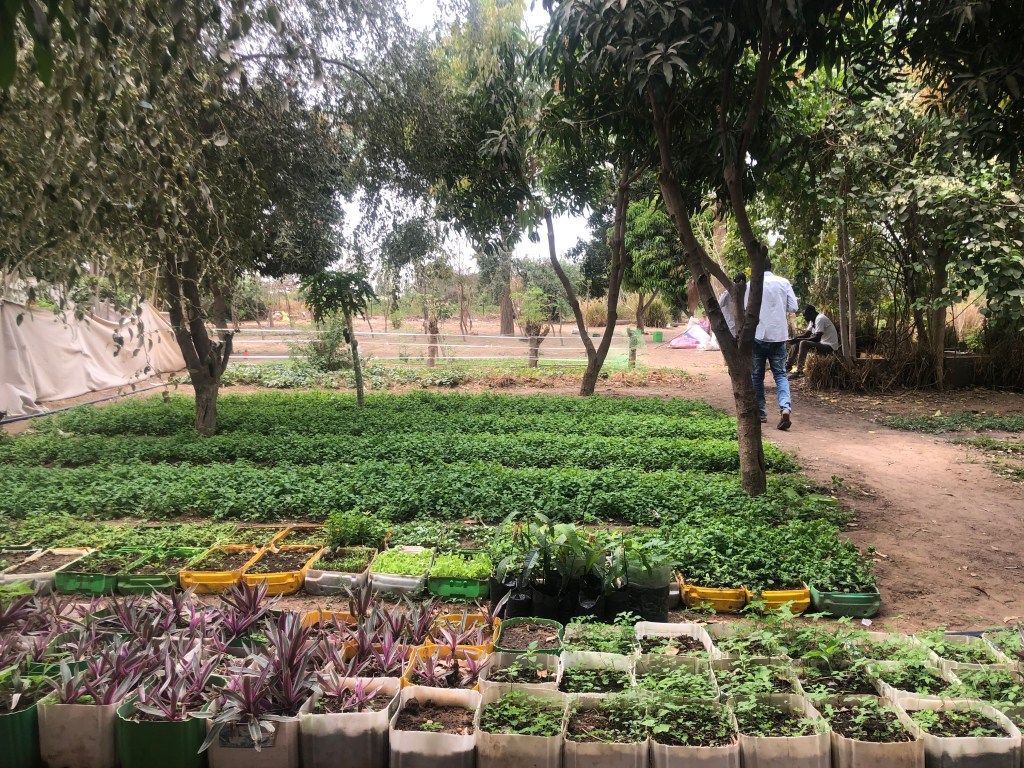
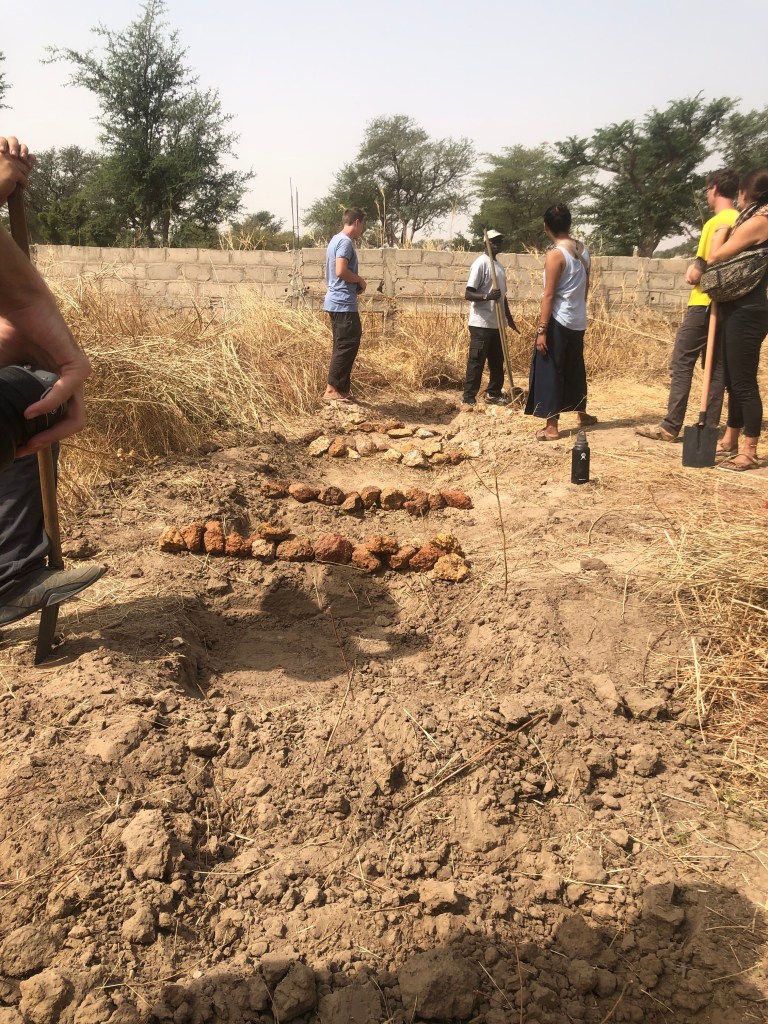
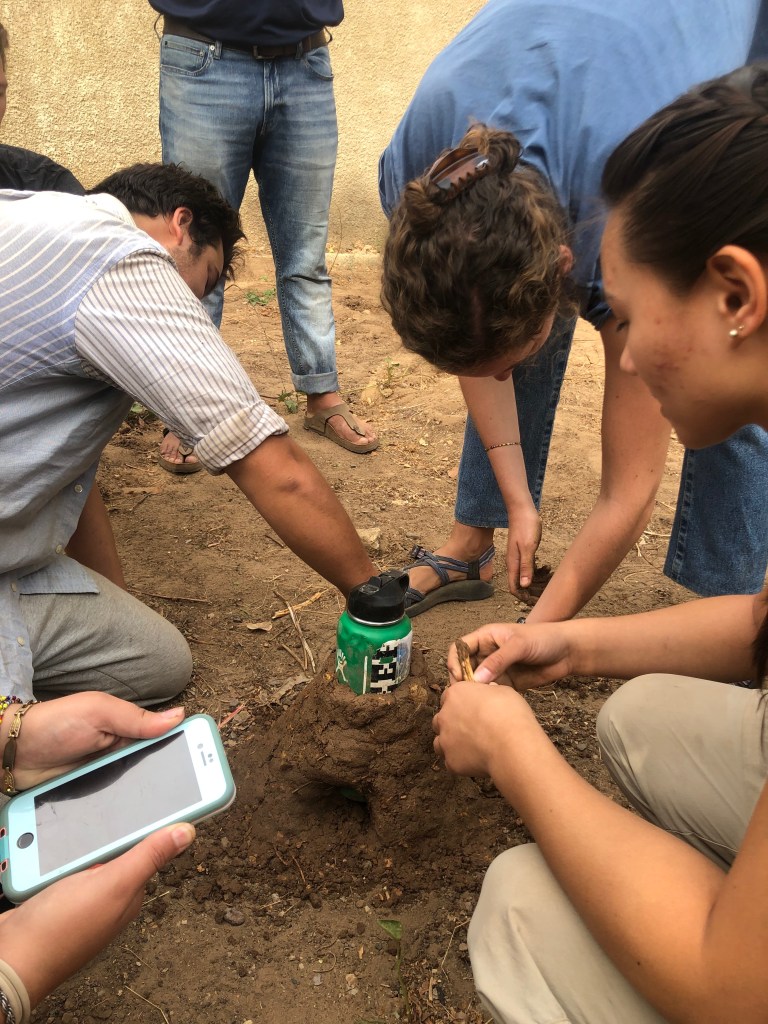
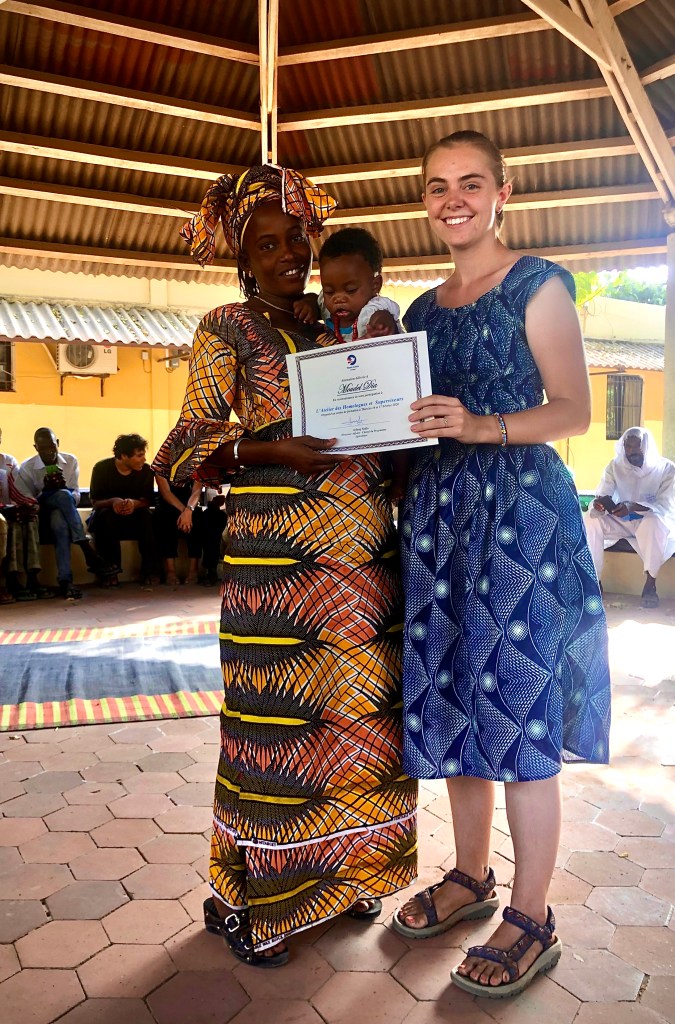
On a more personal note, I had finally begun to find my routine and place at my site. I was feeling more confident and had found happiness at site. I was starting to feel professional success and that I had a purpose at site. I also had established a routine to include time for yoga and meditation as well as for reading and creating artwork. My boyfriend also came to visit Senegal at the end of IST to celebrate our two-year anniversary. It definitely rejuvenated me. This served as a sharp contrast to my mindset both prior and during IST.
For the month of February, I was really struggling emotionally and psychologically with my service. I had been violently ill three times for days at a time over six weeks at site prior to IST, I had friends who were working in development work with a much larger paycheck, access to more amenities, and more freedom, and I was feeling very alone and isolated. Additionally, during our IST, two volunteers were attacked by six men with machetes only a block away from our training center. I had been walking with those volunteers right before the attack, but I walked ahead with other friends as they stopped to smoke cigarettes. (I will note both of the volunteers are okay and have received medical attention.) Multiple volunteers in my training cohort had been robbed with one volunteer even having her room broken into it at night while she was sleeping. All of this made me question why I was in Senegal. I did not feel like I was making enough impact to justify the hardship I was going through.
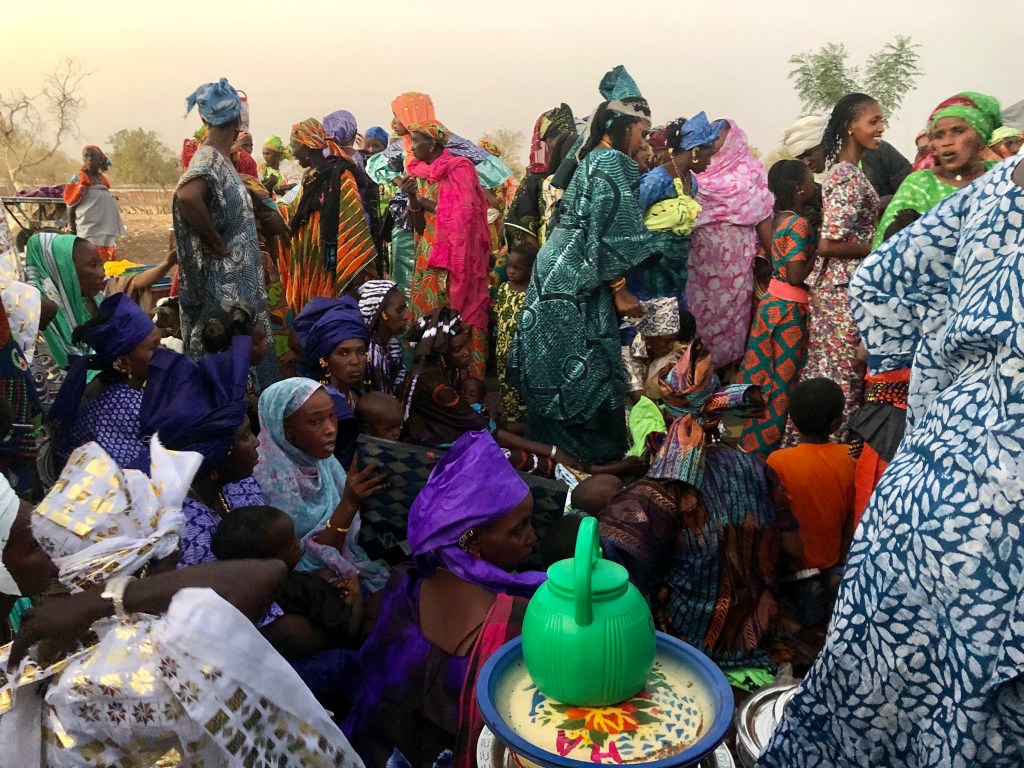
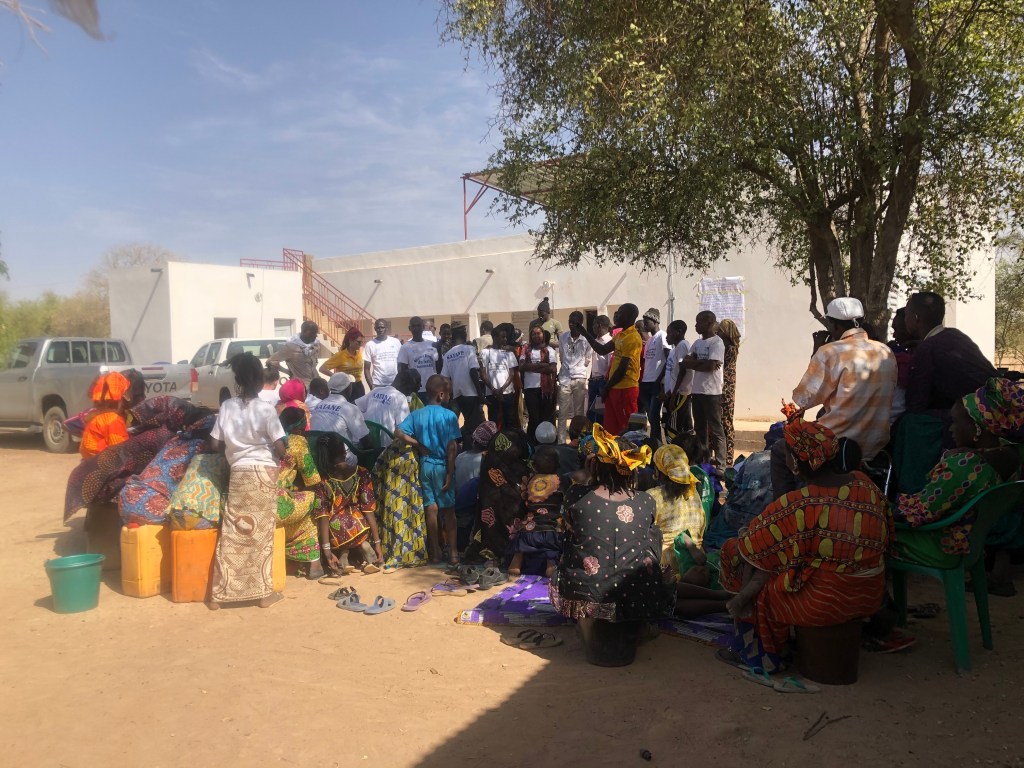
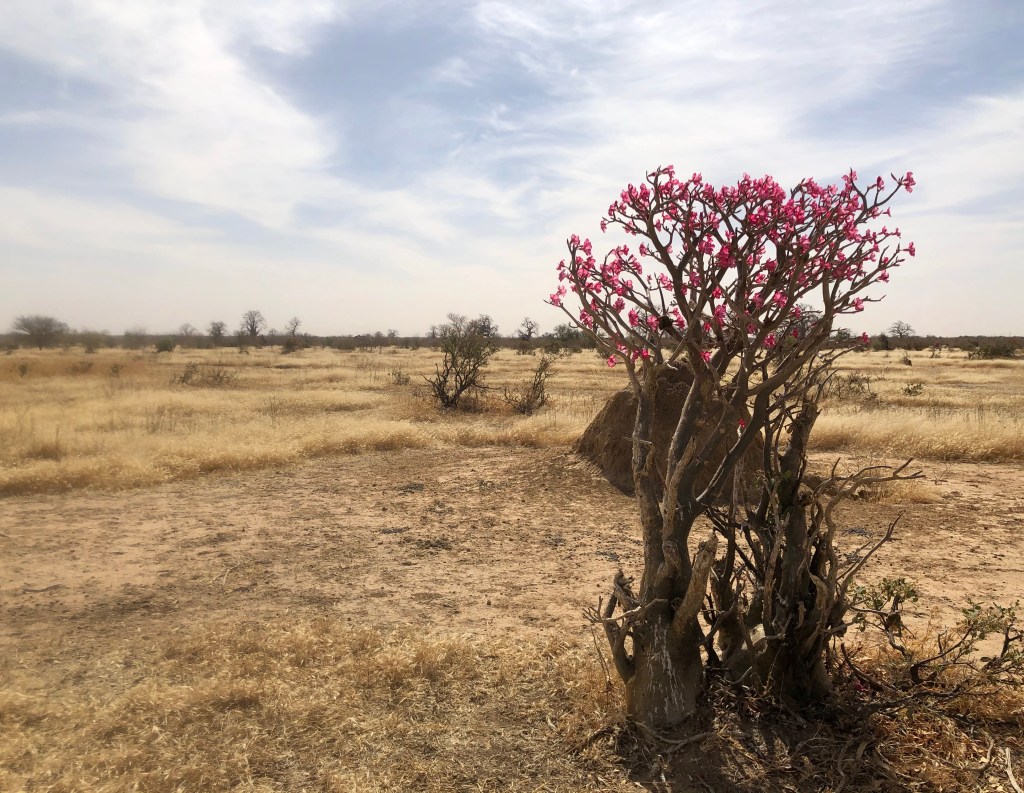
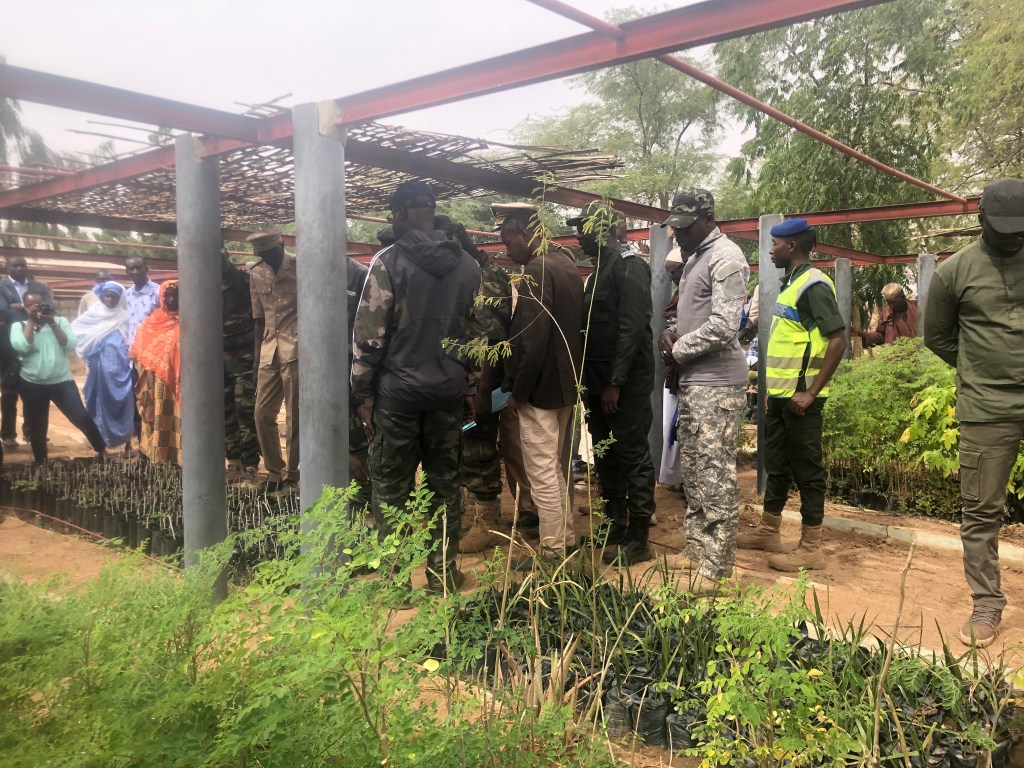
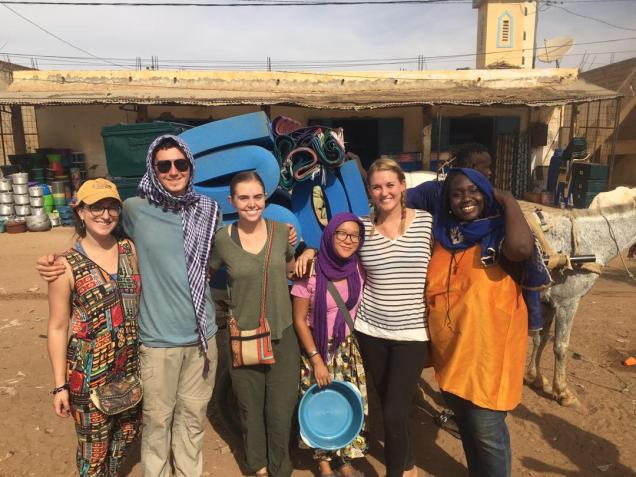
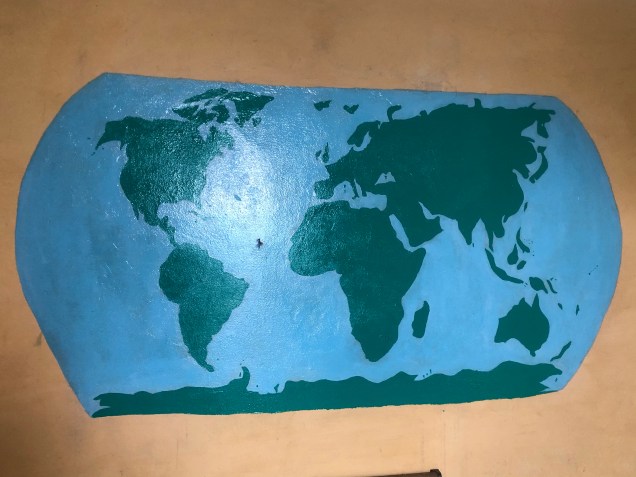
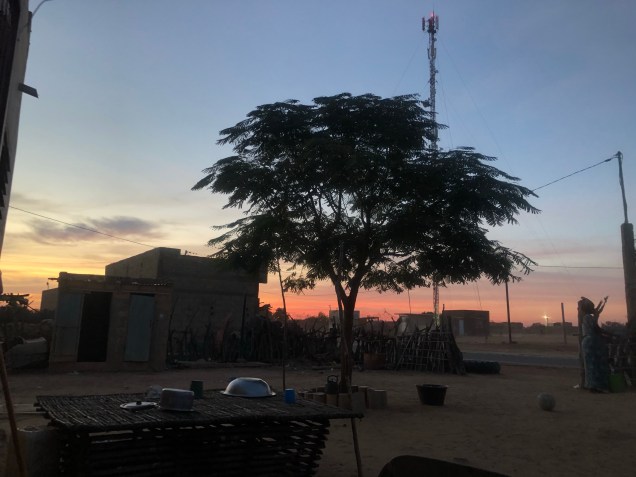
But then, I returned to my site. I got back to site as the sun was setting, and I saw the night sky emerging. I wish I had a camera powerful enough to capture the beauty of the night sky in the middle of the Senegalese savannah with no light pollution. When I entered my family compound, I was welcomed with hugs and excitement from my family. They were so overjoyed to have me home after almost a month away. My local counterpart, who I had clashed with during counterpart workshop at IST, was happy to see me too. She immediately invited me to join her at a wedding after I returned to site. We spent seven hours at this wedding together, and when I returned home, she told me how happy she was that I came and introduced me to everyone as sehilam (“my friend”). We visited several gardens in my community together, and women approached me with questions about pests and diseases on their produce. I met with school officials about the school garden, discussed a scholarship program for impoverished but high-performance middle school girls, and gained permission to paint a mural for International Women’s Day about women in careers. I approached the Senegalese Forest Service and my counterpart about a training I wanted to hold for women in the community about compost, seed selection and storage, utility of different tree species, and establishing a tree nursery. We had started planning and began inviting women. I was feeling confident. I had finally begun to feel my purpose as a volunteer. I could make an impact here even with my broken language skills and learning as I went along.
…and then came the news that we could no longer travel internationally (March 13). The next day (March 14) Peace Corps offered volunteers worldwide the option of Interrupted Service. Interrupted Service essentially means that your service is ended because of matters outside of your control. I spent almost the entirety of the 14th and 15th on my phone, talking to family members and other volunteers about my options and my decision–I am going to stay in Senegal for as long as I can. My parents echoed that they believed this was the best decision for me. But it also was clear by this point–we were going to be evacuated.
Evacuation seemed inevitable at this point–a question of when, not if. I believe by the 15th around seven or eight Peace Corps posts had been evacuated or had evacuation orders. This now included Morocco, which is where West African volunteers are evacuated for medical emergencies. The country had announced it was closing its borders. Senegal was now one of the countries that other countries were not allowing flights from. Cases in Senegal had reached in the double digits. (In the most recent report, Senegal has reported 190 cases with 45 recovered and 1 death.) I spent the night of the 15th crying on the phone with my boyfriend and packing most of my belongings after realizing that my service was going to end sooner rather than later. The morning of the 16th Peace Corps announced that they would be suspending activities and evacuating volunteers worldwide.
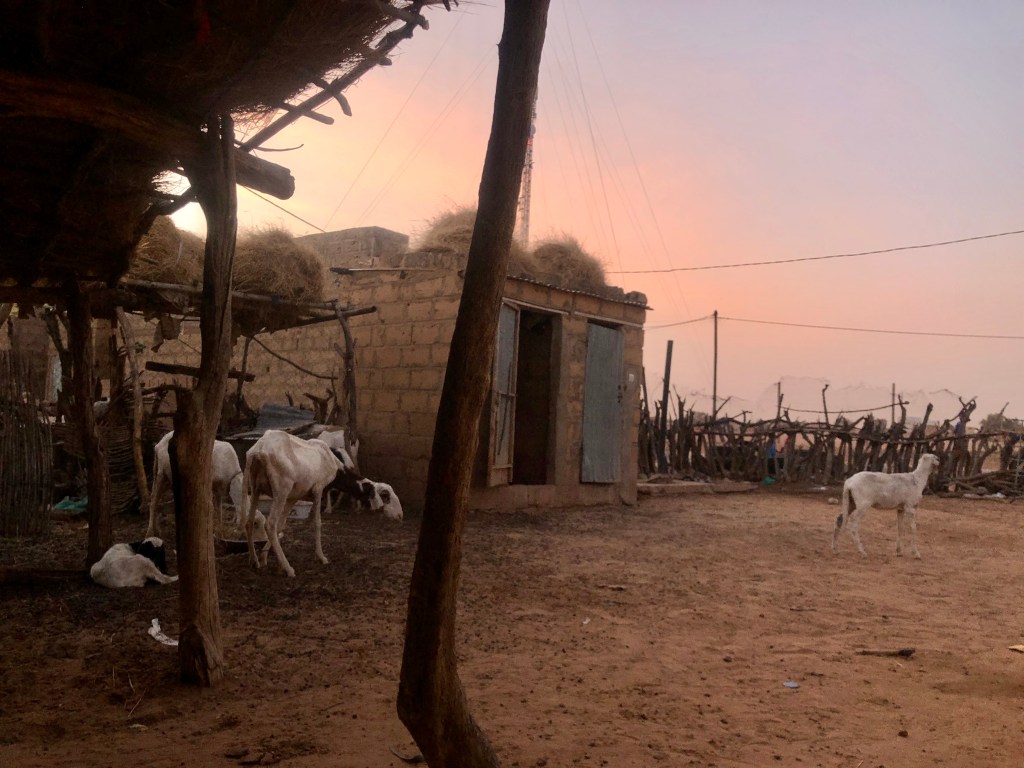
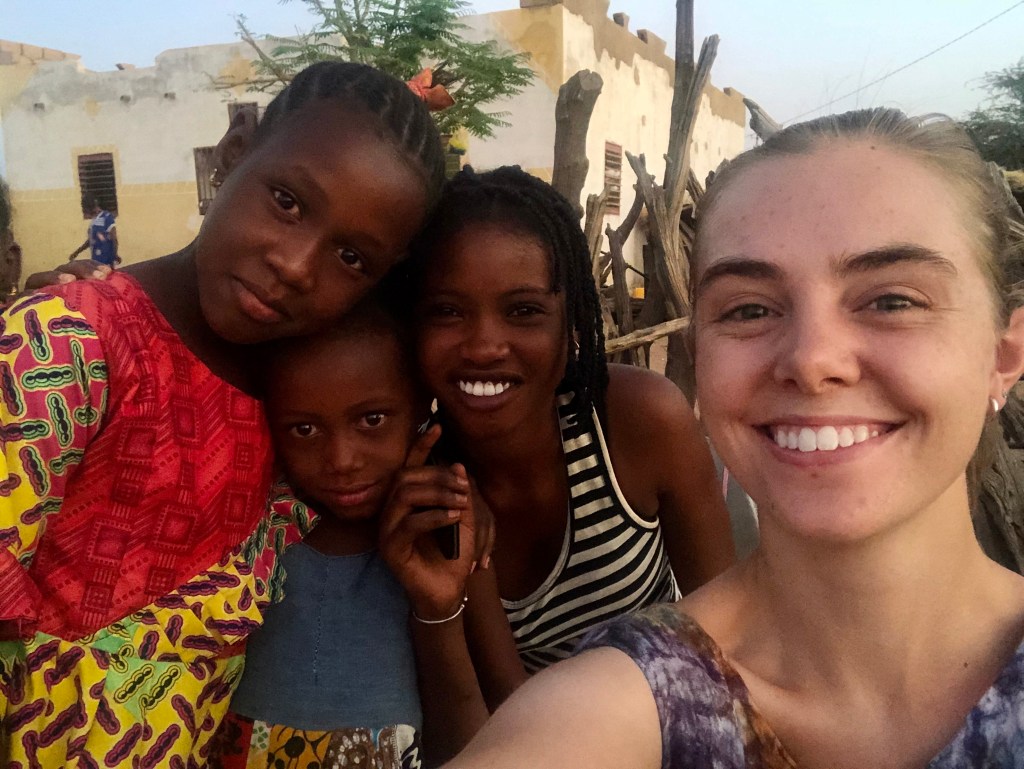
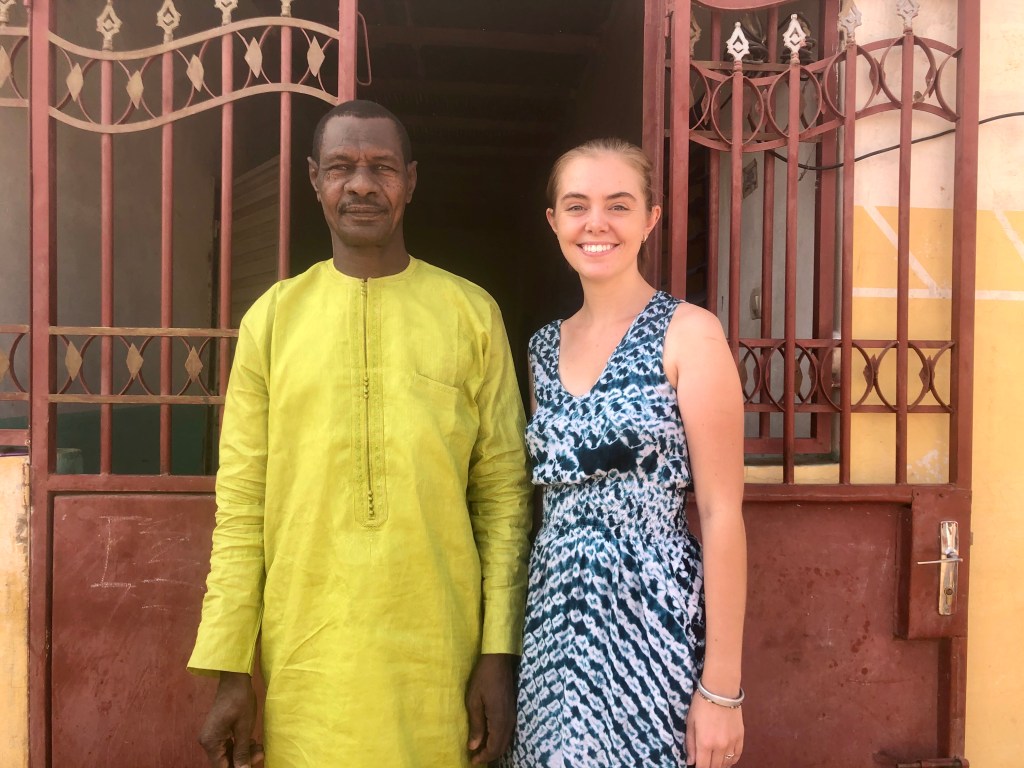
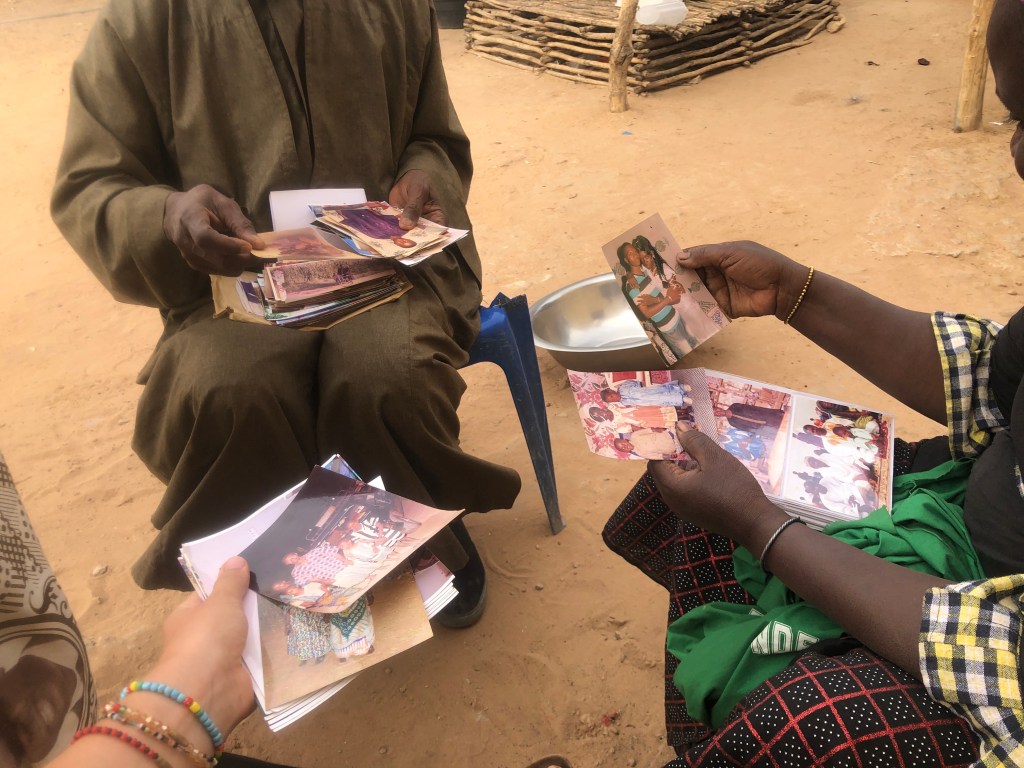
I immediately left my room at 7 am still in pajamas and saw my host dad and one of my moms. I told them that Peace Corps says I have to leave Senegal and go back to the US. I did not know when I would have to leave, but it would be soon. I went back to my room to collect myself and call my family members. The first person I left to tell was my local counterpart. I told her I was going back to the US because Peace Corps says I have to because of coronavirus. I gave her all the seeds and tools that I had planned to use at the training in ten days to give to other community members. I expressed how sad I was and that I hope to return after things improve. She requested we take pictures together, and she took off the silver bracelet she was wearing and put it on my wrist. My site mate and I then visited the Senegalese Forest Service office to tell them that we would be leaving. My site mate, using his French, established some framework with them to be used with the volunteers who would follow us at our site. After that, the waiting game began.
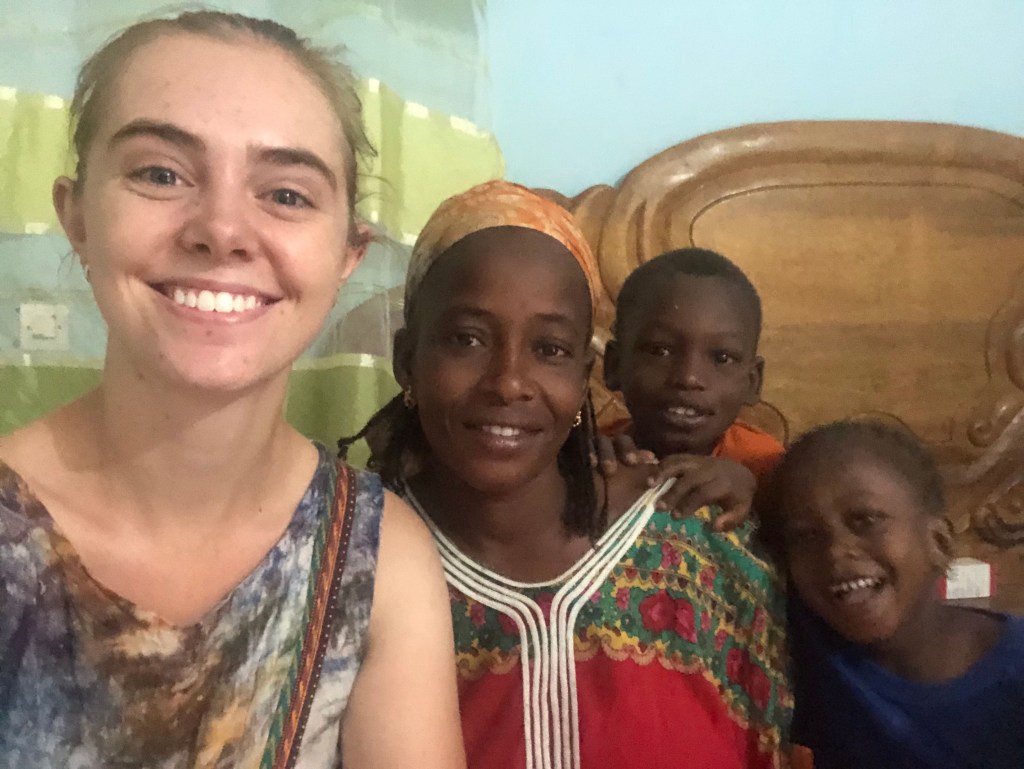
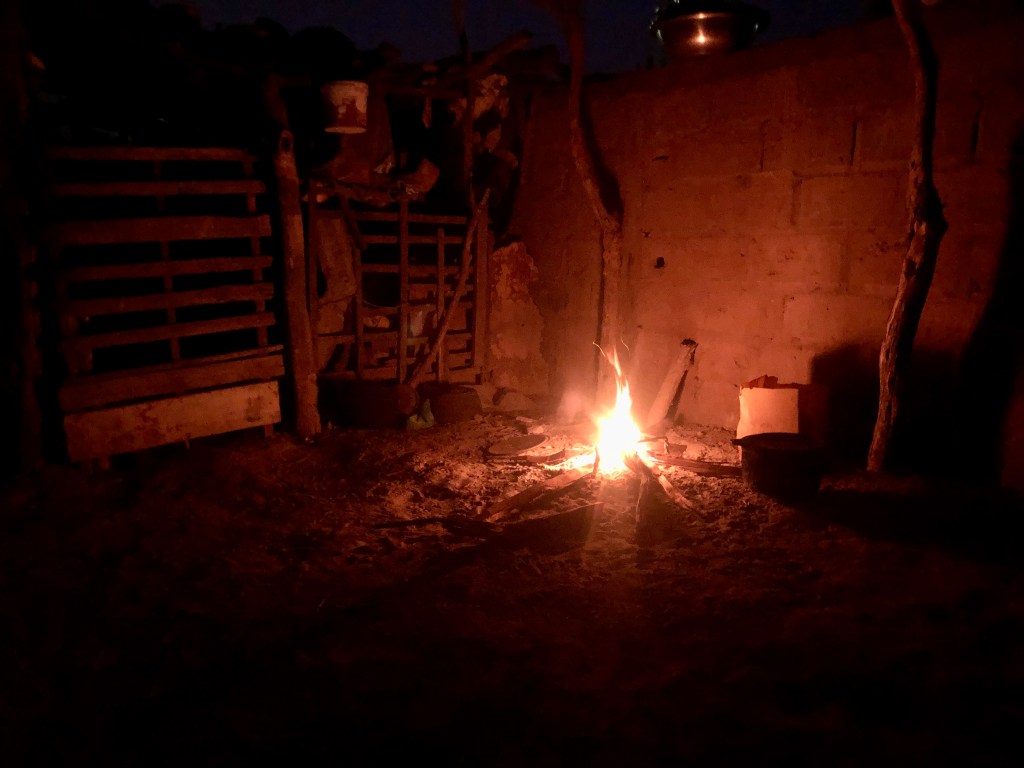
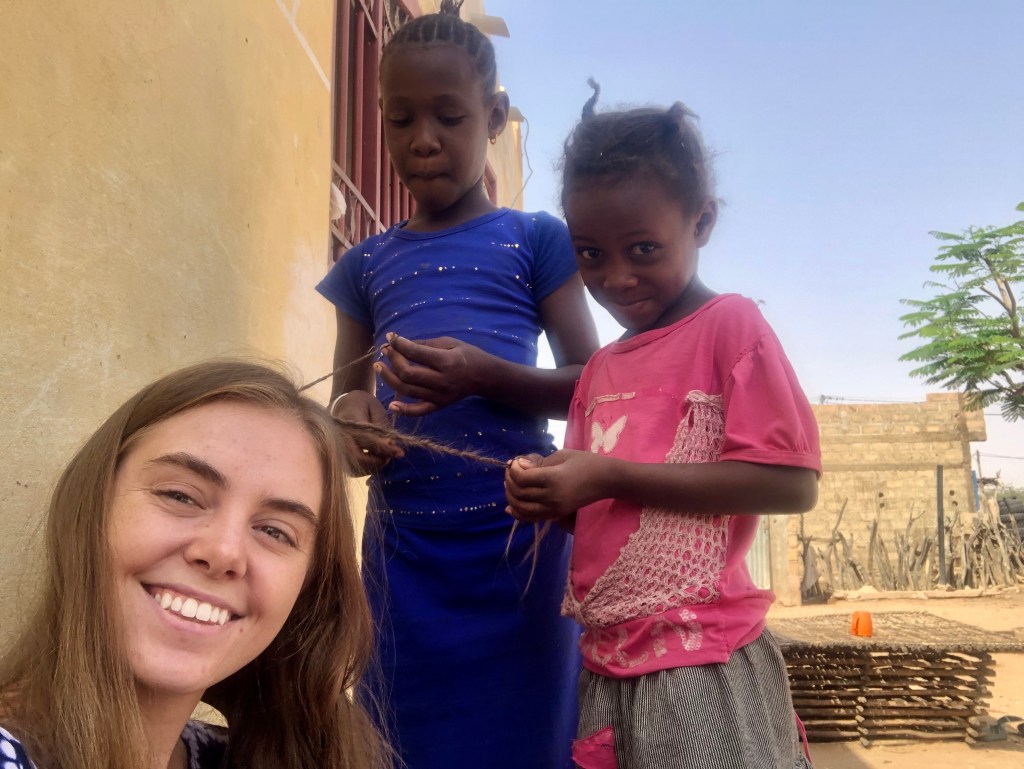
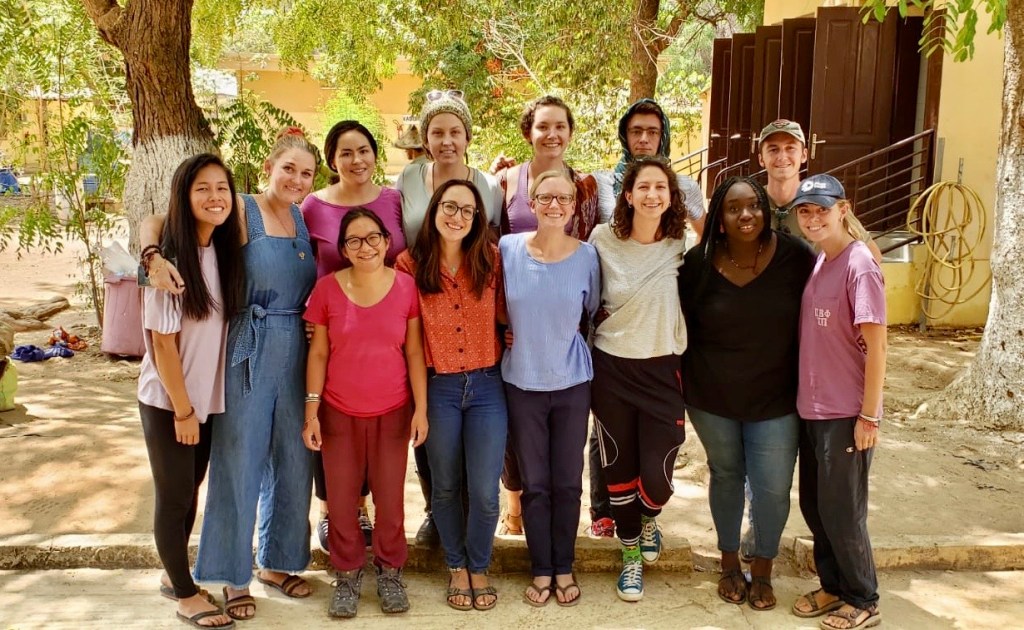
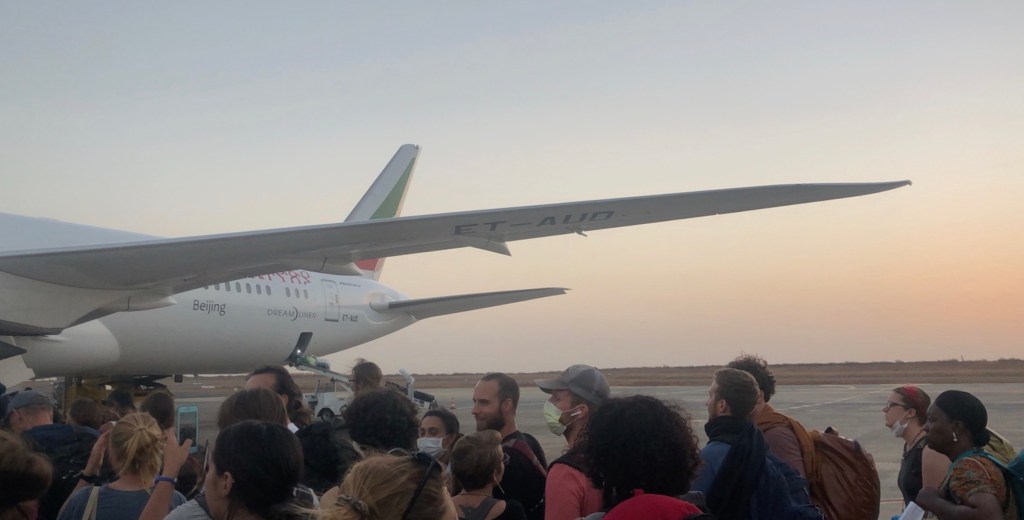
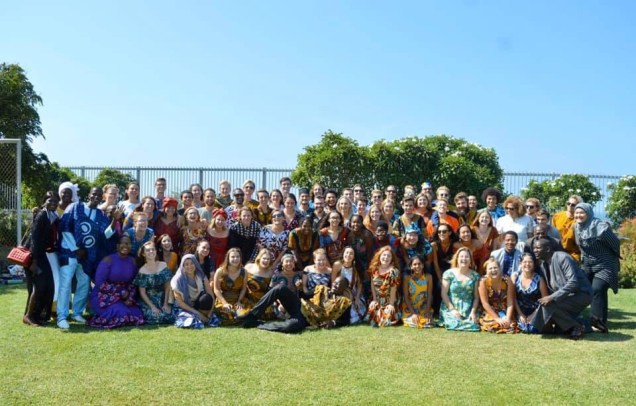
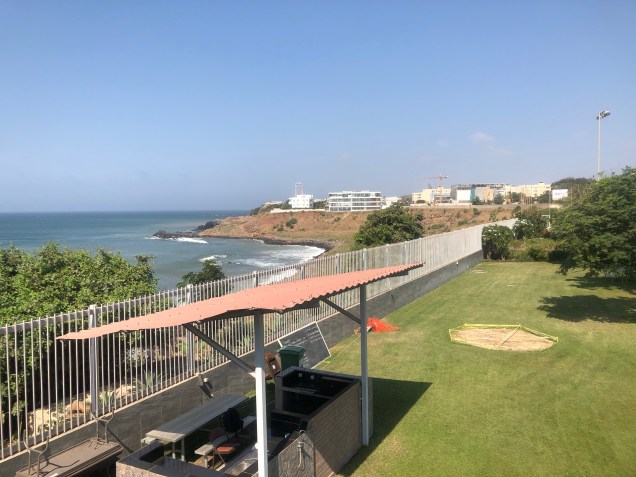
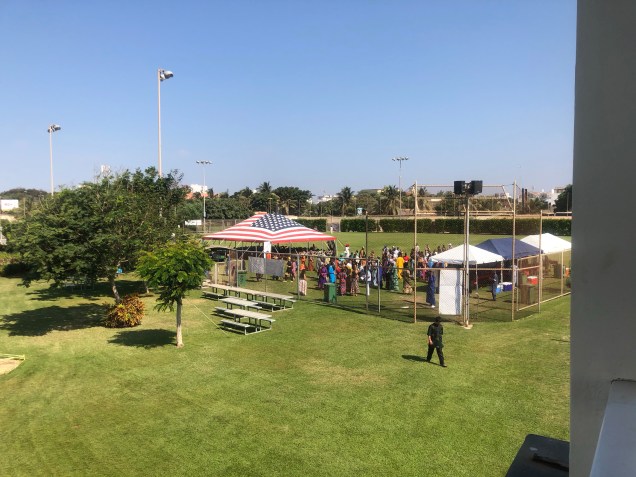
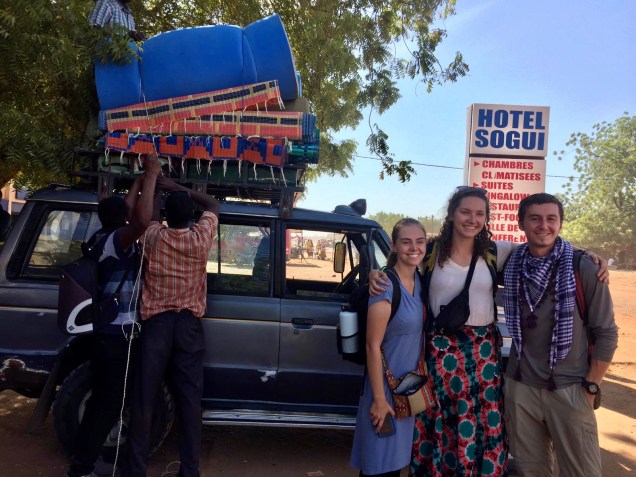
Volunteers were initially told that the evacuation would be happening in waves over two weeks. This quickly changed. All of the volunteers were consolidated at regional cities or volunteer sites by Wednesday the 18th. My consolidation point was my own site, so I had one extra night at site compared to others. My last days were spent reading books, mood swings between sadness, anger, and anxiety, packing and, most importantly, spending time with my family. On the morning of Thursday the 19th, I said my final goodbyes to my family. I told them that I will come back. I do not know if I will do so as a volunteer, but I will come back to Senegal and to them. As I hugged them all and started to cry, I got into the bus scheduled by Peace Corps and, with 22 volunteers, headed to Thies. Peace Corps Senegal had consolidated over 300 volunteers to leave on Sunday the 22nd and to hold a Close of Service conference for all of us over three days. This, of course, changed. The Senegalese government announced it would be closing its airspace on Friday the 20th at midnight. We woke up on Friday morning to the news that our conference was now two-hours to be told our medical requirements upon return to the States and to fill out administrative paperwork before we would be flying out at 7pm that night on a chartered flight. Over seven waves during the afternoon, all the volunteers were at the airport and checking-in. The waiting game continued in the airport for a couple hours. We started boarding around 7pm, and most of us waited in the airplane for the final volunteers and a US Embassy family. We finally took off around 9pm. We landed at an eerily empty Washington Dulles airport at 2am on Saturday March 21st. My boyfriend who had also been evacuated (he is a Foreign Service Officer posted to China) picked me up at the airport, and we moved into an apartment in downtown DC. The past 12 days have been hard. It has been an emotional rollercoaster coming to terms with essentially the abrupt end of my service, coming back to the US in lockdown, looming unemployment and financial insecurity, and normal culture shock after service. But I am lucky. I had a place to come back, a space to have support from a loved one, the ability to cook for myself again, and continuing to indulge in my art. This is not the case everywhere.
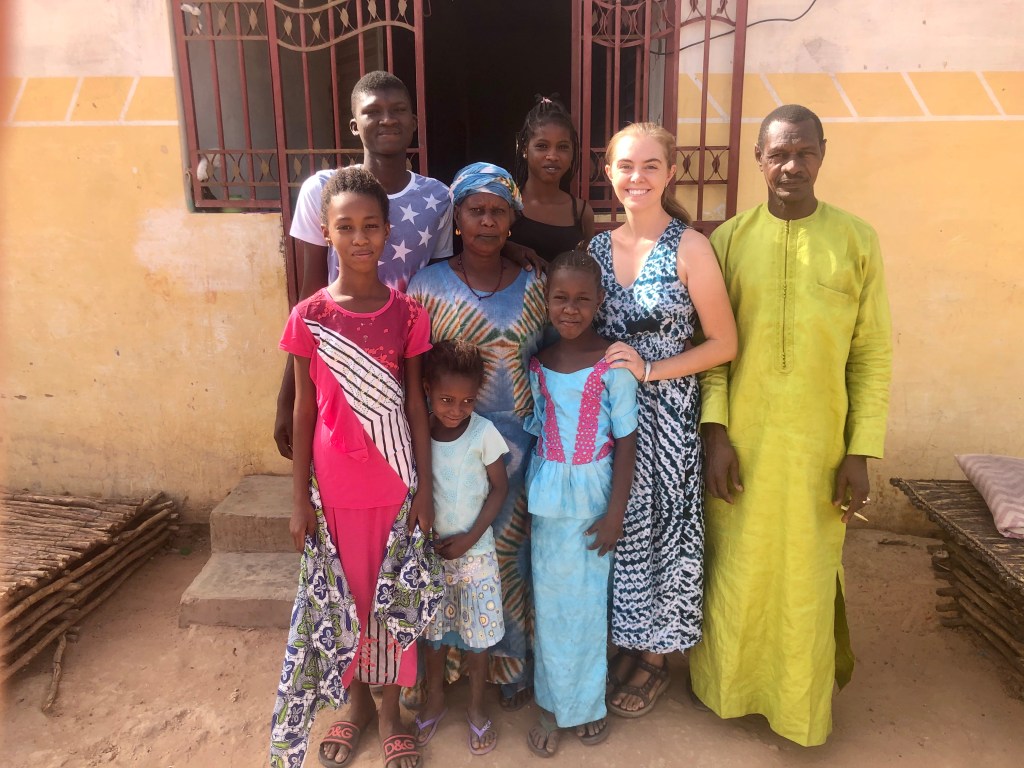
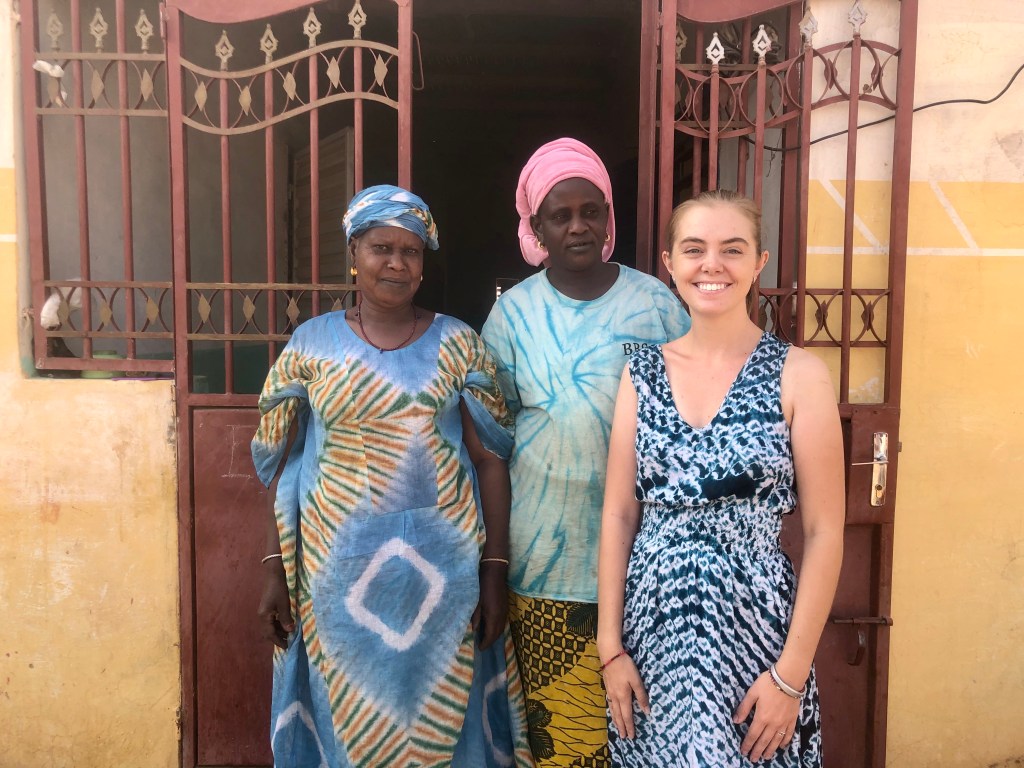
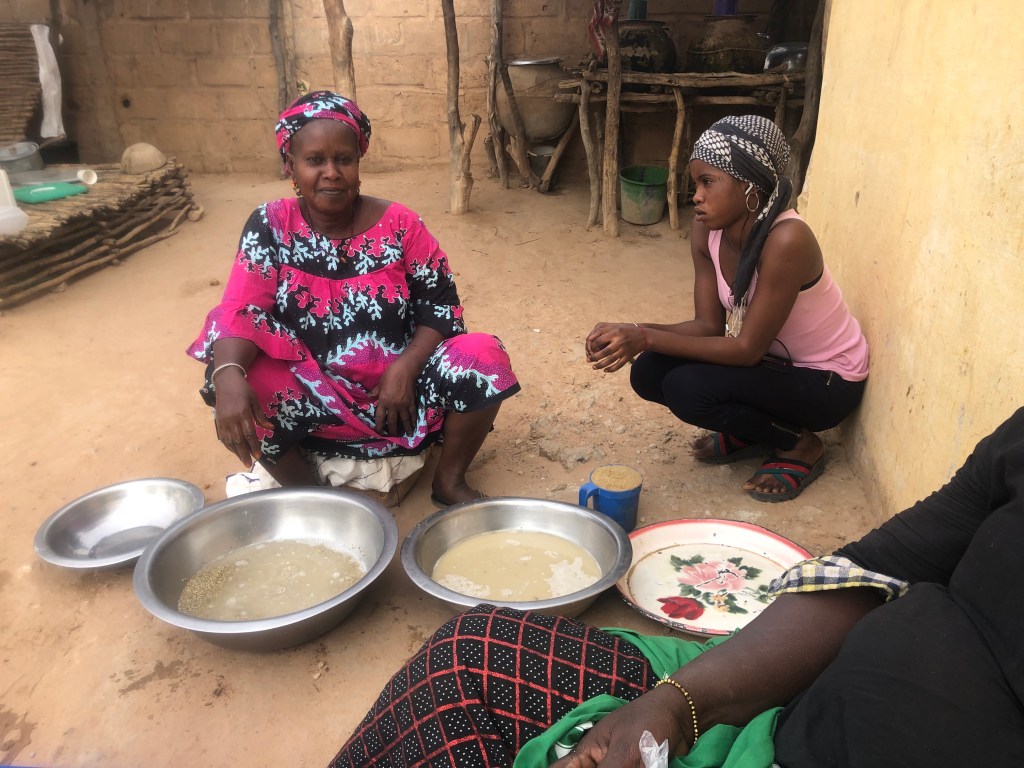
The situation in Senegal has quickly escalated since I left the country. Schools and mosques have been closed for the foreseeable future. The government declared a state of emergency and has ordered a dawn-to-dusk curfew. Travel between regions has been shut down. Large gatherings, including weekly markets, have been cancelled. This last one is especially troubling. Weekly markets are the main source of income and food for many across Senegal. My family sells goods at the markets for money and purchases food for the week at them. Without the weekly markets, people will lose access to their income and will lead to increasing food insecurity. My host dad is the head of transportation through my town. With the inability for regional travel, he will lose his income. Additionally, for many children, they received meals through school, which they can no longer access. For most in Senegal, social distancing is not an option. I had a small compound with less than 20 people. Some compounds include four or five households each with 10 to 20 members. Food, household goods, and living situations are entirely communal. Few have their own bed–let alone bedroom. Quarantining and self-isolation is a privilege.
All of this is in a country that was on the forefront of testing. Senegal was one of two countries across the entire African continent who had testing capabilities prior to COVID-19 and was one of the leaders during the Ebola outbreak in 2014-2016. They trained dozens of countries how to test and provided them the resources to do so. They started building military hospitals and designated hospital areas for coronavirus. But expectations are that coronavirus could overwhelm the African continent. While the situation escalates in the US, remember that social distancing and the ability to undergo a lockdown is a privilege. Across the world, most do not have that option. Keep in mind my Senegalese family that is losing access to their income, education, and source of food in one wave. I miss them dearly, and when this ends, I will return to them. But, for now, I worry for them.




 Rainbow Sandals in Senegal